As an Amazon Associate, we earn from qualifying purchases. Some links on this site are affiliate links at no extra cost to you. Our recommendations are based on thorough research and editorial judgment.

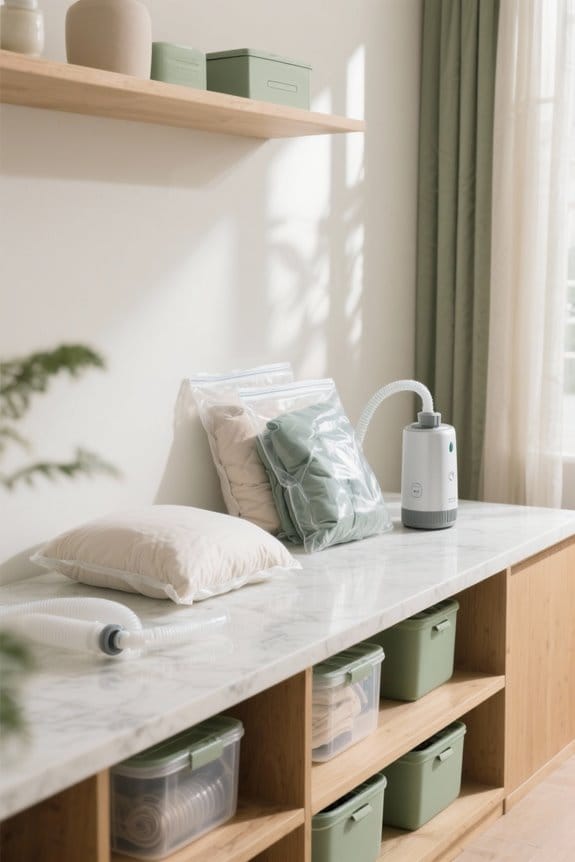
The Science Behind Space-Saver Vacuum Technology

Space-saver vacuum technology works by cleverly removing air and sealing containers tight. This process keeps food fresh and safe—like a magical food time machine! Here’s how it goes:
- Air removal decreases oxygen, slowing spoilage.
- Sealing locks in flavor and nutrients.
It’s energy efficient too, saving money over time—yay for wallets! Just think of how much room you can save! Stick around, and you’ll discover even more cool facts about vacuum technology.
Key Takeaways
- Space-saver vacuum technology operates by removing air, creating a pressure differential that compresses items like clothing or linens for efficient storage.
- The sealing process ensures an airtight environment, preventing moisture and oxidation, which helps preserve the integrity of stored items.
- Vacuum packing reduces the volume of items, maximizing storage space and organizing areas more effectively without compromising item quality.
- This technology relies on Boyle’s Law, demonstrating the inverse relationship between pressure and volume when air is removed from sealed bags.
- Space-saver vacuum solutions are energy-efficient, as they can decrease the need for larger storage spaces and minimize clutter.
Understanding Vacuum Chambers
Vacuum chambers, those fascinating metal boxes, play an essential role in scientific experiments and industrial processes. These handy devices come in various designs, each tailored for different needs. For instance, laboratory vacuum chambers are compact and easy to operate, while industrial production chambers are robust and large.
When it comes to vacuum chamber design, it’s vital to think about material selection. Common choices include stainless steel and aluminum, known for their strength—because no one wants a chamber that collapses like a deflated balloon! Similar to how heavy-duty steel options in storage systems can support between 300 to 3,000 pounds, the structural integrity of vacuum chambers depends heavily on the thickness and quality of their metal construction.
The Process of Air Removal
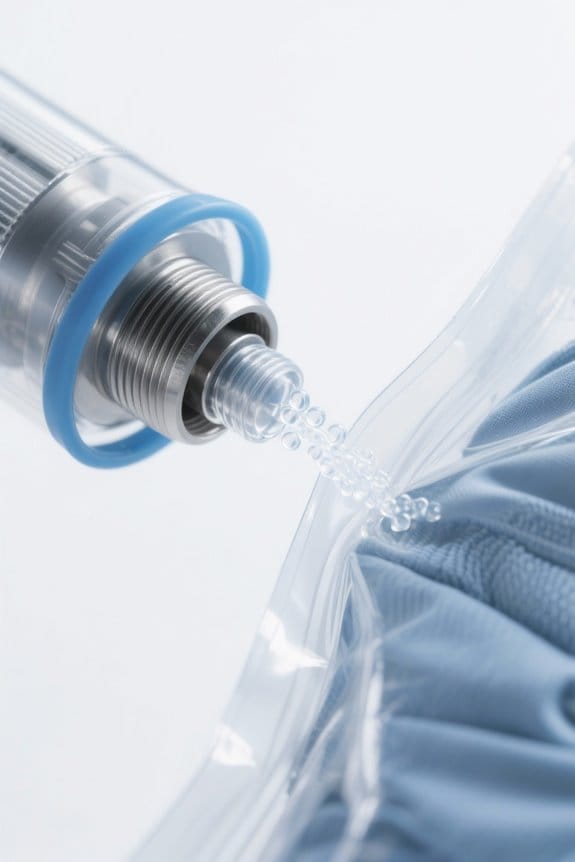
Air removal transforms a simple bag into a space-saving wonder! This process relies on air extraction, creating a pressure differential that draws air from inside the bag. Standard vacuum cleaners work wonders—just remove those pesky attachments for better fit. Here’s how it typically goes:
- Loosely pack items—think shirts, not bricks.
- Close the bag’s opening, letting suction begin.
- Suck away until the bag looks like a deflated balloon!
Some hand pumps work too, if you’re feeling adventurous. Vacuum efficiency is key; verify no leaks! A good seal keeps your belongings safe from pests and moisture. Just remember, if you hear hissing sounds—oops! That means air is crashing the party. Once compressed, store these bags alongside clear storage bins to maintain an organized closet or storage area. Happy packing!
Importance of the Sealing Process
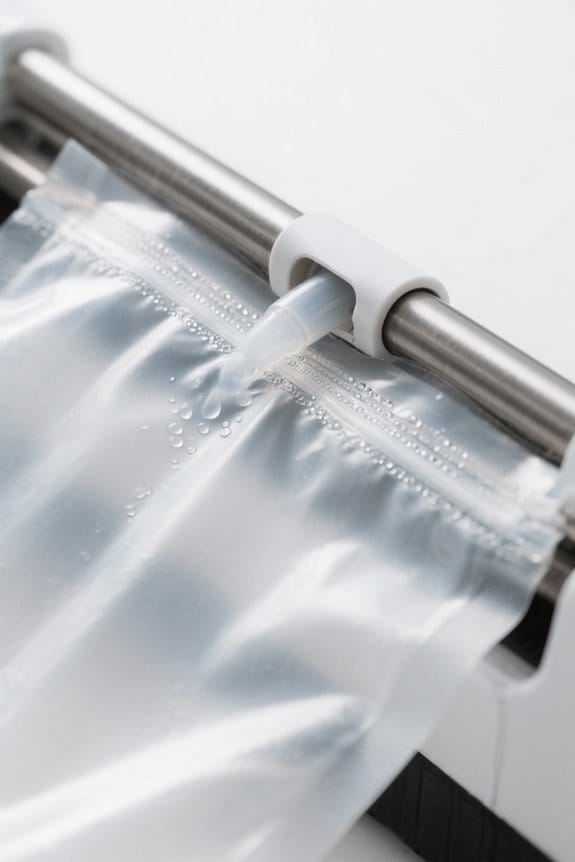
When it comes to preserving food and other items, the sealing process plays a significant role, even if it doesn’t sound very exciting. An airtight seal is essential for “seal reliability.” It uses Boyle’s Law—less air, more pressure—to keep everything fresh. Plus, preventing leakage is a must!
Here’s why sealing matters:
- Oxidation: It stops those nasty oxidation reactions, keeping flavors intact.
- Microbial Growth: Removing air slows down mold, yeast, and bacteria—who wants those crashers at their picnic?
- Texture: No one enjoys freezer burn—that’s like a bad hair day for food!
With the right materials and techniques, sealing can be a real game changer. Modern vacuum storage bags utilize double-zip closures and triple-seal turbo valves to ensure maximum air retention and prevent reinflation over time. Who knew such a simple process could do so much?
Advantages of Vacuum Technology
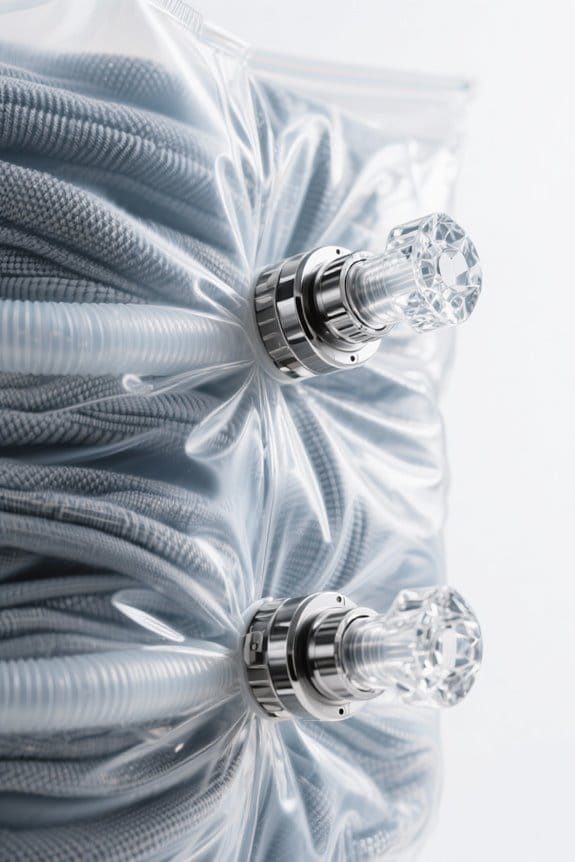
Sealing food might not seem thrilling, but the advantages of vacuum technology really pack a punch. First, it vastly extends the shelf life of items—goodbye moldy bread! Without air exposure, food retains its natural flavors, keeping that delicious food texture intact. Nutrient retention is a big win, ensuring meals stay healthy.
Some impressive benefits include:
- Reduced food waste: Fewer tosses mean fresher meals.
- Space-saving storage: Tuck those vacuum-sealed bags into any nook!
- Ideal for sous-vide cooking: Intense flavors are retained during cooking.
Even better, you save money by buying in bulk. Who doesn’t like that? For organizing your vacuum-sealed items, clear storage bins with stackable designs can maximize vertical space in pantries and closets. So next time you seal that meat, remember—you’re not just preserving food, you’re also becoming a storage wizard!
The Science Behind Boyle’s Law

Understanding Boyle’s Law can feel like diving into a whirlwind of science, but it’s actually quite fascinating! This law shows the inverse relationship between pressure and volume—you squeeze something, and it squishes down. Think of its Boyle’s Law applications: from spray paint to soda bottles, it’s everywhere!
The main idea? When gas pressure goes up, volume shrinks! This principle is essential for vacuum systems, allowing for amazing volume expansion phenomena. Sure, ideal gas assumptions make things simpler, but watch out for real-world deviations—like pesky gas leaks or temperature swings!
Want to see it in action? Scientific demonstrations, like a classic syringe experiment, make learning about gas behavior principles an adventure. Just as vacuum technology maximizes space efficiency through compression, storage solutions apply similar principles to optimize vertical space in everyday applications. It’s science, but also a playful ride!
Key Components of Vacuum Sealing Machines
Vacuum sealing machines are fascinating devices that make preserving food an easier task. Understanding their key components can help users appreciate their efficiency. First up is the vacuum chamber, the heart of the machine, where packaging gets sealed. Next, the sealing strip uses innovative materials to guarantee airtight seals—no more freezer burn!
Clever sealing techniques are brought to life by the vacuum pump, which removes air like a pro. The control panel lets you set your preferences, while motors and bearings guarantee smooth operation. Additional features include:
- Heating elements to assist sealing
- Solenoid valves for air control
- Circuit boards that manage everything
With these components working together, vacuum sealing becomes a breeze—sometimes even fun, when you master it! Similar to how adjustable drawer dividers maximize storage efficiency, vacuum sealers optimize food preservation by customizing the seal to fit various bag sizes and food types.
Applications in Food Preservation
Food preservation has never been so straightforward or effective! Vacuum sealing technology offers remarkable benefits, ensuring food stays fresh longer. It enhances nutrient retention, keeping those vitamins and minerals locked in—so your broccoli doesn’t lose its superpowers!
With vacuum-sealed items, food texture is also preserved. Think tender steaks and crunchy veggies, all free from nasty surprises like mold. Here are some awesome advantages:
- Extended shelf life up to three years!
- Reduced spoilage, thanks to oxygen removal.
- Safe handling with less contamination risk.
Imagine saving money and time, too! You can stock up on all your favorites without fears of food going bad. Like airtight storage containers, vacuum sealing creates an effective barrier against air and moisture that can compromise food quality. So, vacuum sealing really is a game-changer for any kitchen!
Recommended Products

【Precision Heavy-Duty Inverter Compressor】Our flagship commercial dry ager pairs a high-capacity variable-frequency inverter compressor with 1 ° F temperature accuracy — delivering the precision of a top-tier dry ager at a fraction of the cost. Self-contained humidity regulation (60–85%) with no water line. This commercial dry age fridge is purpose-built for high-volume steakhouses, butcher shops, Japanese restaurant, hotel catering, and food production. Maximum Capacity, Maximum Precision.
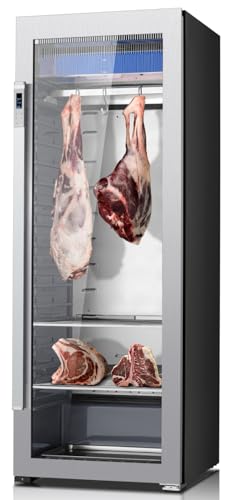
【Advanced Inverter Cooling System】Our Dry Age Fridge is equipped with an advanced inverter compressor that delivers precise, energy-efficient cooling from 34°F–77°F. Paired with a unique humidity control system (60–85%) that works without an external water source, it creates the ideal microclimate for aging steaks, lamb, pork, and cured meats—whether in a home kitchen or a professional restaurant. This unit holds up to 342 lb of meat or other foods.
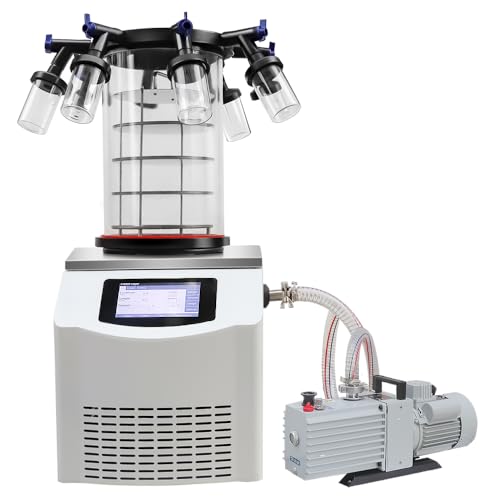
-60°C Condenser & 3kg Ice Capacity: High-efficiency refrigeration reliably reaches below -60°C. The 3kg maximum ice load per cycle effectively traps sublimated vapor to maintain vacuum stability. (Note: For optimal thermal performance, limit total sample water content to ≤2.4kg per batch)
Space Efficiency Benefits
In today’s world, where homes often feel more like cozy shoeboxes than sprawling castles, space efficiency becomes essential. Utilizing space-saving solutions, like space-saver vacuum bags, can make a huge difference. These nifty bags compress your clothing and bedding, reducing their volume by up to 75%. Imagine all that extra room!
With a compact design, organizing becomes a breeze, supporting minimalist lifestyles—no more cluttered corners. Here’s the fun part: packing efficiently not only frees up space but also helps you find your favorite sweater—without making an archaeological dig.
As urban living continues to rise, smart vacuum storage innovations will only enhance our ability to save space. Just as adjustable dividers help customize kitchen storage for various cookware sizes, flexible organization systems adapt to your specific storage needs. So why not embrace the compact life? Less stuff, more room for what truly matters!
Non-Food Item Storage Solutions
When someone feels overwhelmed by clutter, non-food item storage solutions can be a game-changer. Vacuum sealing offers a way to breathe new life into your space. It’s like magic—compressing seasonal clothing, preserving textiles, and reducing dust. Not to mention, it protects against allergens—because who doesn’t want fewer sneezy surprises?
- Seasonal Storage: Keep winter coats tucked away until the first snowfall.
- Travel Organization: Pack more into your suitcase—it’s like squeezing a closet into a carry-on!
- Moisture Control: Prevent damage from dampness, ensuring your treasures stay safe.
With stylish, reusable vacuum bags, you can embrace space optimization without sacrificing your beloved items. It’s perfect for all those soft toys and bedding too—because everyone loves a clutter-free hug! For items that don’t compress well, consider using pegboard organizer bins to keep tools, craft supplies, and other hard goods neatly arranged and accessible.
Recommended Products

Smart Storage with Magnetic Drawers: This queen bed frame includes 2 spacious footboard drawers with magnetic closures and smooth, quiet rolling wheels, helping keep bedding, clothes, and blankets neatly stored. The 7" side under-bed clearance also offers extra space for storage bins, shoes, or seasonal items

Revolutionary Dual Compression Technology: Combines the power of a vacuum seal with a built-in rigid compression board. Unlike traditional vacuum bags that become irregular lumps, the pressure board ensures a flat, uniform surface for maximum space-saving and easy stacking.

【COMPRESS IN SECONDS & Save 80% Space】: These No-Pump Vacuum Storage Bags feature an easy press-to-expel-air design that helps quickly reduce the volume of bulky items. Perfect for clothes storage, bedding storage, blankets, comforters, pillows, and seasonal clothing. Create more room in closets, wardrobes, suitcases, and storage areas without the need for a separate vacuum pump.
Industrial and Workshop Applications
While managing a workshop, every inch of space counts. Smart use of space-saver vacuum technology can greatly enhance workshop efficiency. In industrial applications, these vacuum systems reliably grip and transport delicate materials, reducing damage and increasing productivity. They come equipped with various materials, like nitrile rubber, ensuring secure handling for all types of workpieces.
Here’s how they help:
- Compact design preserves floor space.
- Fast cycle times minimize downtime.
- Reduced manual labor promotes ergonomic designs.
With systems designed for easy maintenance and scalability, even older workshops can tidy up. For organizing smaller components and hardware, stackable storage bins with front-opening designs provide quick access while maximizing vertical space in your workshop. So, while you might not become a vacuum expert overnight, embracing this technology can turn your cluttered space into a well-organized marvel!
Recommended Products
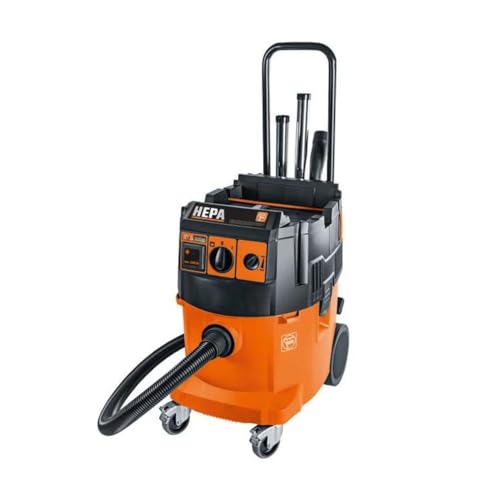
Exceptional Suction Power for Heavy-Duty Use - Features a 1,100-watt motor delivering 153 CFM airflow and 98 PSI static water lift, providing reliable and efficient removal of dust, debris and liquids for a wide range of applications.
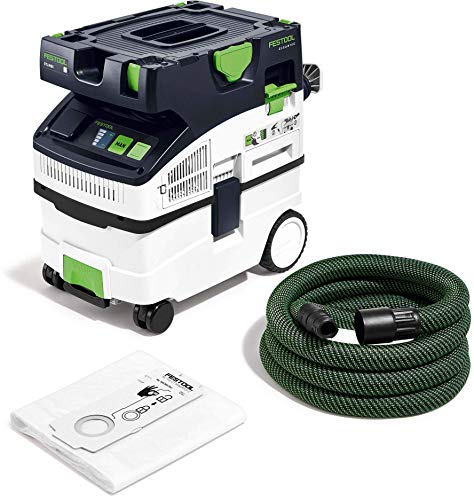
Touch operation for intuitive control of the mobile dust extractor

125 CFM of the dust extractor provides OSHA Table 1 Compliant Solutions for up to 5-inch Tuckpointing and Surfacing Applications when paired with an appropriate dust shroud
Different Types of Vacuum Sealers
Smart organization in the workshop can spark inspiration in any home chef or kitchen enthusiast. When it comes to vacuum sealers, there are different types, each with unique vacuum features and sealing methods.
- External sealers are compact and affordable, but struggle with liquids.
- Chamber sealers, on the other hand, can handle liquids without a mess and are perfect for sous vide cooking.
- Handheld sealers are portable for quick sealing tasks, but sometimes they can feel like fancy toys with limited power.
- Countertop models strike a balance, offering various sealing modes for different food types.
- Compact models are great for small kitchens but may lack some advanced features.
Explore your options and find the perfect fit—your food deserves the best storage!
Recommended Products


Keeps food fresh up to five times longer

HIGH-POWER 1.5 HP OIL PUMP PERFORMANCE: The VacMaster VP321 is equipped with a powerful 1.5 HP pump, delivering strong, consistent vacuum pressure for high-volume sealing. This commercial vacuum sealer machine ensures fast cycle times and reliable performance for demanding environments.
Comparing Chamber and External Sealers
Choosing between chamber and external vacuum sealers can feel a bit like picking the right outfit for the weather—just when you think you’ve got it figured out, something catches you off guard! Chamber sealers offer great advantages, especially for food preservation and liquid handling. They excel at sealing moist items, ensuring superior sealing effectiveness.
On the flip side, external sealers have limitations. They struggle with liquids, which can ruin seals—yikes!
Let’s break it down:
- Chamber advantages: Strong seals, perfect for wet foods
- External limitations: Cost-effective but less durable
- Maintenance requirements: Minimal for external sealers
Investing in a chamber model? Expect higher costs but enjoy longer-lasting seals! Remember, different uses might call for different sealers. Happy sealing!
Recommended Products

IDEAL FOR COMMERCIAL USE: This ETL-compliant commercial vacuum sealer machine is designed for medium to high-volume food service and bulk packaging. Built with a durable stainless steel body and powerful pump, it delivers consistent performance for professional environments.


DREAME's Thinnest Robot Vacuum at 3.13in (7.95cm): At just 3.13in (7.95cm) slim, X60 Max Ultra Complete redefines what a robot vacuum can reach. It glides under sofas and beds with ease, reaching hidden dust in low spaces where traditional cleaners get stuck.
Energy and Cost Efficiency
Investing in vacuum technology can yield significant energy and cost efficiency gains—it’s like finding a $20 bill in last winter’s coat pocket! Vacuum insulation panels (VIPs), for instance, offer incredible energy optimization by providing up to ten times better insulation. This means lower heating and cooling costs, which is excellent for your wallet—think savings of $7–15 over seven years with upgraded vacuum cleaners!
Furthermore, advanced vacuum systems can minimize energy consumption by 16–33%.
For a more energy-efficient future, consider:
- Upgrading to vacuum technology in your home
- Embracing sustainable innovation in construction
- Supporting building codes that require energy-efficient designs
These actions not only help the planet but save cash too—who doesn’t love that?
Maintaining Food Quality With Vacuum Technology
Food quality is a big deal—nobody likes biting into an old apple or soggy leftovers! Vacuum technology keeps food fresh and tasty. By removing oxygen, it helps with spoilage prevention and freshness retention. Imagine seven more days for those strawberries—yum!
With vacuum sealing, nutrient preservation is easier. That means vitamins stay intact, and you enjoy flavor enhancement too. Plus, texture maintenance guarantees crunchy veggies don’t turn mushy.
These preservation methods extend storage duration, allowing users to save money and minimize food waste—something everyone can appreciate!
And don’t forget safety standards—vacuum-packed food stays hygienic for longer. So next time you seal up your dinner, know you’re doing wonders for your meal and the planet, one vacuum at a time!
The Convenience of Automated Vacuum Sealing
When considering the world of kitchen appliances, automated vacuum sealing stands out as a game changer for busy lives. Imagine cutting your sealing time from minutes to mere seconds! With automated convenience, you just load the bag and press start, making user-friendly operation a breeze.
Key benefits include:
- Speed: Multiple packages sealed quickly
- Efficiency: Less manual work means more time for you
- Consistency: Get perfect seals every time, no fuss
And let’s not forget, those built-in cutters take care of pesky bag ends. Plus, with alerts for any hiccups, you’ll feel like a pro—no special training required! So why not embrace the easy life and transform your storage game today?
Frequently Asked Questions
How Do I Choose the Right Vacuum Sealer for My Needs?
To choose the right vacuum sealer, one should consider bag design for compatibility, essential machine features like suction strength and sealing modes, and intended food use for ideal preservation and convenience during storage.
Can Vacuum Sealing Affect the Taste of Food?
Vacuum sealing markedly influences taste through flavor preservation and reduced air exposure, enhancing freshness and juiciness in food. While it locks in desirable qualities, improper storage can lead to off-flavors, impacting overall taste negatively.
How Long Does Food Last When Vacuum Sealed?
Vacuum sealing markedly enhances food preservation, extending the shelf life of perishable items like meat and vegetables to 1-2 weeks in the fridge and up to 2-3 years in the freezer, depending on conditions.
Are There Specific Foods That Shouldn’T Be Vacuum Sealed?
Approximately 85% of anaerobic bacteria thrive in vacuum-sealed environments. Consequently, vacuum sealing safety requires avoiding foods like raw garlic, mushrooms, and certain cheeses. Adhering to food storage guidelines secures safe preservation without spoilage risks.
What Maintenance Is Required for Vacuum Sealing Machines?
Vacuum sealing machines require regular cleaning guidelines to maintain hygiene and function. Routine inspections of components enhance machine longevity while ensuring proper operation, fostering efficiency, and extending the lifespan of the equipment through diligent care.