As an Amazon Associate, we earn from qualifying purchases. Some links on this site are affiliate links at no extra cost to you. Our recommendations are based on thorough research and editorial judgment.

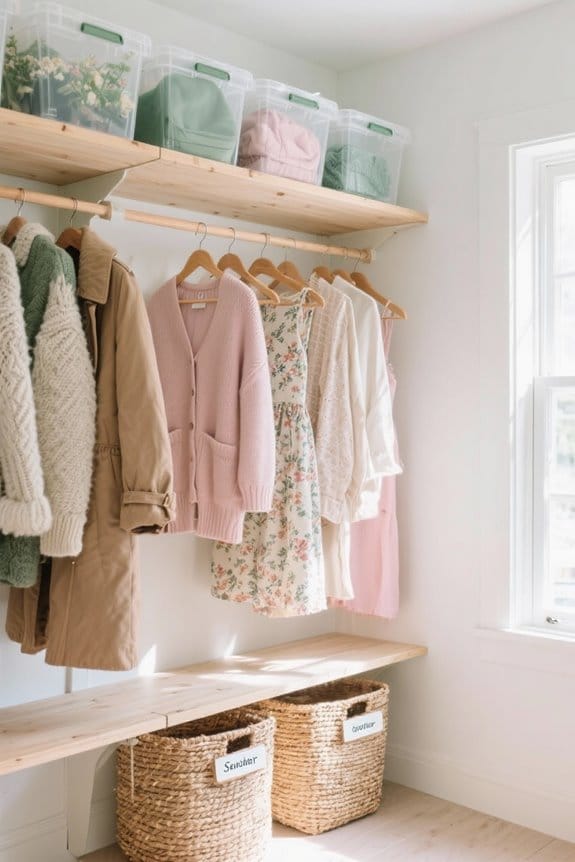
Seasonal Closet Swaps: Transitioning From Winter to Spring

Shifting from winter to spring is exciting yet tricky. Start by swapping clothes, ideally at the season’s start—just avoid those pesky false starts! Review your winter wardrobe and pull out versatile pieces, while decluttering things you haven’t worn. Focus on breathable fabrics like cotton and pastel colors to embrace the season’s vibe. Remember, layering is your friend—unpredictable spring weather can catch anyone off guard! Get ready to discover more tips and tricks to perfect your closet swap!
Key Takeaways
- Time your seasonal swap for spring but be wary of unpredictable weather; layer clothing for fluctuating temperatures and keep a light jacket handy.
- Conduct a wardrobe assessment by trying on winter pieces, identifying staples to keep, and creating a list of spring essentials.
- Select breathable fabrics such as linen and cotton for spring, and focus on sustainable choices like organic cotton and recycled materials.
- Transition footwear by swapping winter boots for lighter options like retro sneakers and using hanging organizers for better shoe storage.
- Mix and match outfits with versatile bottoms and lightweight tops, enhancing looks with accessories while maintaining visibility through transparent garment bags.
Timing Your Seasonal Swap
When planning a seasonal swap, timing is everything—like when that first ice cream truck rolls through the neighborhood in spring! Successful swaps hinge on when the weather finally plays nice, so keep an eye on those seasonal trends.
In regions with strong seasons, swap at each season’s start. But don’t forget—false starts can happen! Some folks jump the gun and start swapping early, just to savor the spring vibes.
For wardrobe flexibility, consider these tips:
- Review winter clothes for versatile pieces.
- Declutter those items just collecting dust!
- Organize storage for off-season pieces.
With just the right timing, your closet can feel fresh and ready for the sunshine ahead. Using clear plastic storage bins helps you quickly identify your stored winter items when it’s time to swap them back next fall. Who doesn’t love a closet glow-up?
Understanding Spring Weather Variability
As the season shifts from winter to spring, understanding weather variability becomes essential for everyone—especially those planning their seasonal closet swaps. Spring temperatures can be unpredictable. Some days feel like summer, while others insist it’s still winter.
- Days can swing quickly, leading to severe weather like thunderstorms or even tornadoes.
- Wear layers to adapt.
With warmer conditions, allergy season also extends—just a heads up. Warming can mean more unusual days too. So, pack away the heavy coats but keep a light jacket handy.
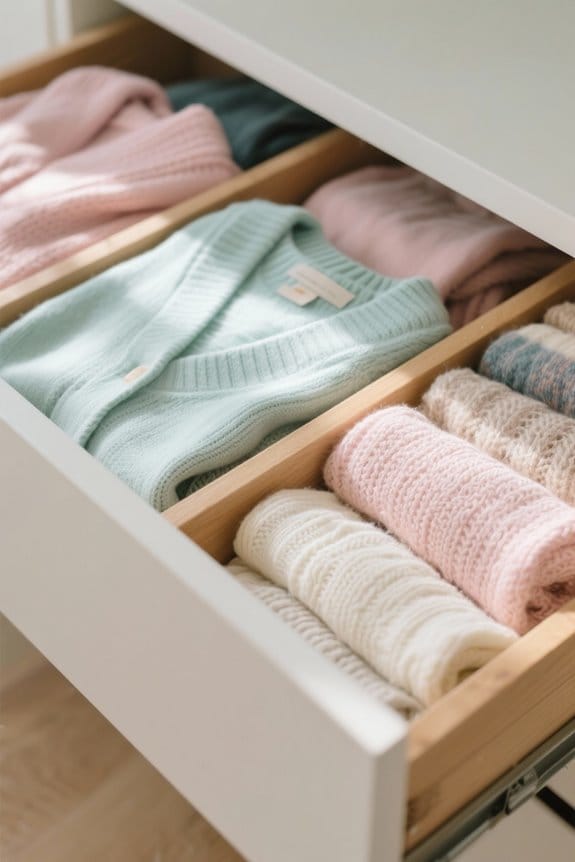
Embrace the excitement of spring! It’s a time of refreshment—when you can finally wear that cute new sundress or snazzy sandals. Just remember, fashion should be versatile. Spring is all about surprises, so be prepared! As you organize your seasonal wardrobe, consider using sliding drawer organizers in your closet or under-sink spaces to maximize storage and keep everything accessible.
Assessing Your Current Wardrobe
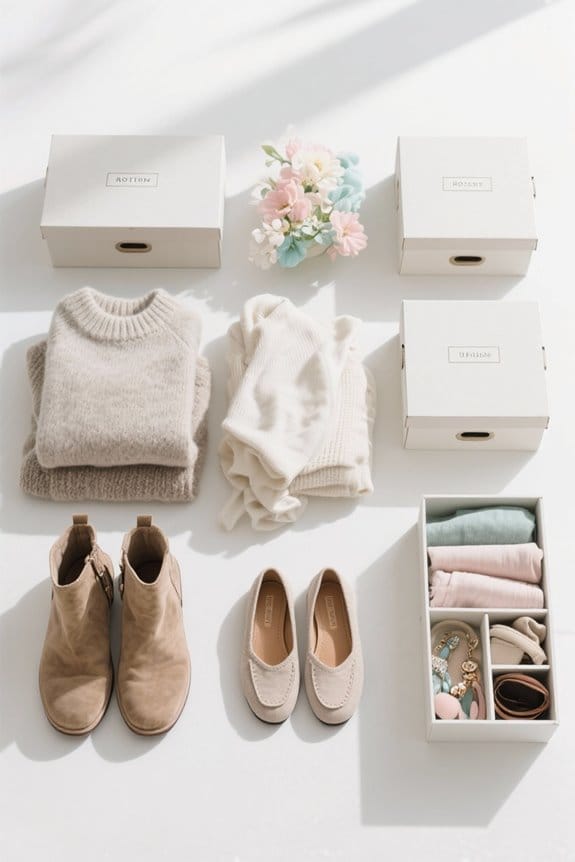
To effectively assess one’s current wardrobe, it’s important to start with a fresh perspective—especially after a long winter. A thorough wardrobe assessment can be surprisingly enlightening. First, gather all winter wear in one space—yes, all those puffy jackets! Lay items out and observe colors and styles.
Next, hold each piece for a style evaluation. Is it worn out, or did it get ignored? Be brave—try on those boots that may or may not fit.
Check which pieces were your go-to favorites, like that cozy sweater, and note any duplicates that could form a clothing army. Make a list of spring essentials and see if you’re ready for a lighter season. As you transition your wardrobe, consider using cube storage organizers to keep seasonal items neatly separated and maximize your closet space. Out with the old, in with the fabulous!
Recommended Products
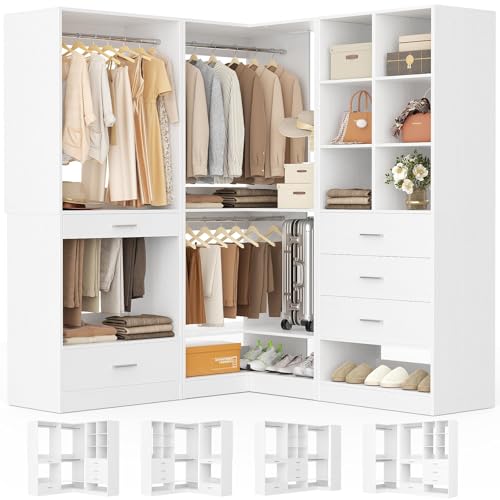
【Versatile Modular Closet System】This 3-piece wardrobe set offers flexible configuration options—combine all units for a complete walk-in closet solution or use each cabinet individually. Whether you're upgrading your current setup or expanding existing storage, this closet system integrates seamlessly with your home.

【Adjustable & Spacious Hanging Area】Equipped with 6 sturdy expandable hanging rods, this closet system offers ample space to organize your clothes. The rod length is adjustable, allowing for a flexible fit in closet spaces ranging from 72" to 128.6", making it perfect for various room sizes

4 FT , Set of 2, Closet System Organizer – Say goodbye to closet chaos! Each closet unit features 6 spacious open cube compartments in the upper area, perfect for organizing handbags, hats, towels, jeans, or folded clothing.
Choosing the Right Fabrics
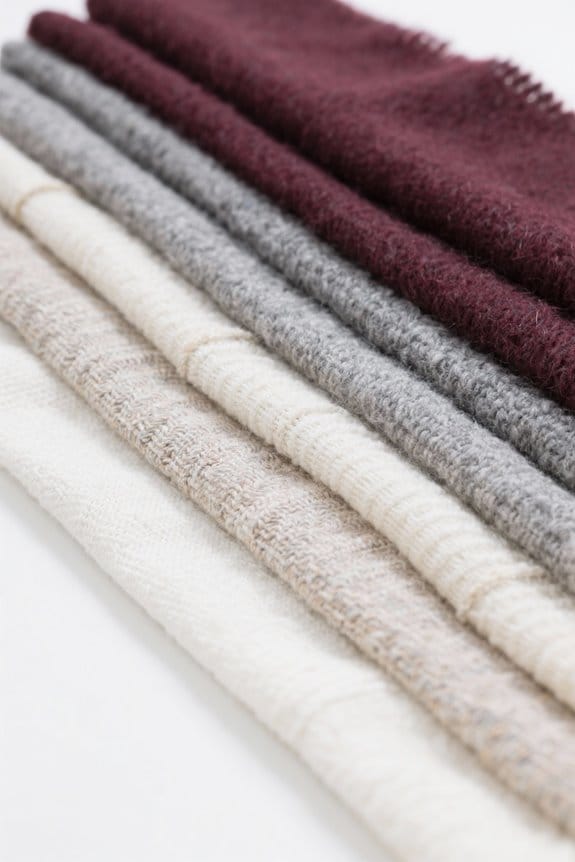
Selecting the right fabrics for spring can feel a bit overwhelming—like choosing between a million ice cream flavors on a hot day. To simplify, focus on key fabric types and blends that suit the season.
- Linen: Airy and beautiful.
- Cotton: Versatile and easy to wear.
- Modal: Silky and soft—perfect for anything!
Consider breathable options like poplin and eyelet for that fresh feel. Lightweight choices make layering simple, especially as temperatures shift. Look for moisture-wicking materials if you plan on staying active. It’s all about those smart styling techniques!
Remember—sustainable fabrics are a hit this spring. They’re good for the earth, too. With a bit of color coordination, you’ll radiate spring vibes in no time! Once you’ve sorted your spring wardrobe, keep everything organized with acrylic shelf dividers that help separate seasonal items and maintain visibility in your closet.
Recommended Products

✅10 Yard by 58 Inches —> Length: 10 Yard (360 Inches), Width: 58 Inches

Premium Cotton Linen Blend: Indulge in the effortless elegance of our high-quality cotton linen fabric. This breathable, lightweight material is specifically chosen to keep you cool and comfortable, providing a structured yet soft silhouette that transitions beautifully from casual outings to formal events.

Size : Please refer to Our Size Chart before you order the resort dress shirts; Machine wash or hand wash, dry on
Embracing Spring Color Palettes
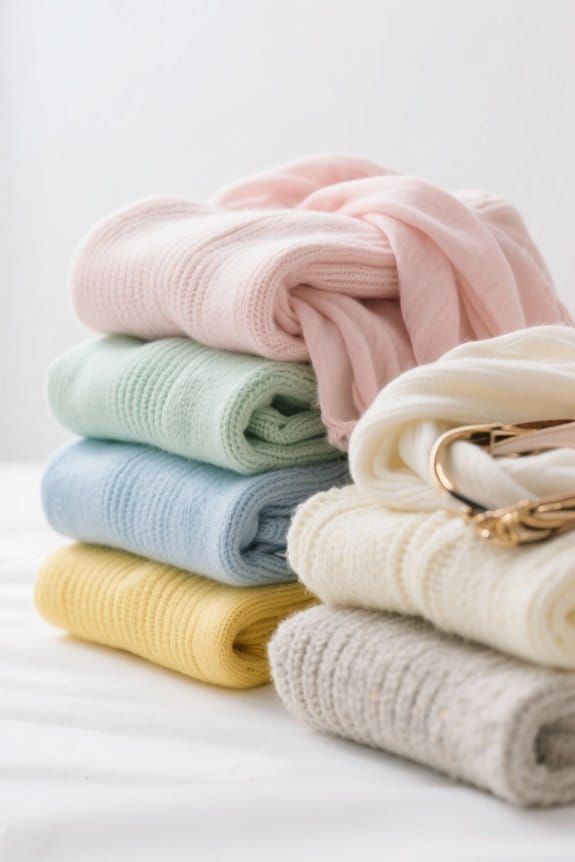
Spring color palettes bring a revitalizing burst of joy to wardrobes everywhere. Vibrant hues like cherry red and soft lavender invite experimentation. Mixing these with earth tones or going for bold color blocking adds excitement to any outfit.
- Think of pairing cherry red with neutral tans.
- Consider vibrant florals or nature-inspired patterns.
- Don’t forget vintage chic tones, like warm Cinnamon Slate for a nostalgic touch.
Pastels—icy blues and petal pinks—work wonders too. They’re easy to wear and adapt perfectly from winter. Embrace dill green for a zesty flair, or use accessories to add playful pops. The best part? You can mix and match! Don’t worry if it doesn’t always work; fashion is about fun—after all, who hasn’t worn socks with sandals, right? As you transition your wardrobe, clear storage bins help keep off-season clothes organized and easily visible for next year’s swap.
Planning Your Footwear Transition
As the weather warms up, many are excited to swap their winter boots for something lighter and more vibrant. Footwear choices become brisk and fresh. A closet shift isn’t just about style; it’s about comfort practicality too. Consider adding:
- Retro sneakers for a trendy, nostalgic touch.
- Clogs—who doesn’t love a Scandinavian vibe?
- Woven flats that shout bohemian chic.
Sneaker innovations make it easier to wear them all day without sore feet, thanks to advanced cushioning and breathable materials. Slip-on styles are also a go-to—they’re like an old friend, easy to wear and supportive. As shoes get lighter, mornings feel brighter—who knew spring cleaning could be this fun? With options that blend style and comfort, it’s a win-win! To keep your seasonal footwear organized and accessible during this transition, hanging shoe organizers can maximize your closet’s vertical space while keeping everything visible and dust-free.
Recommended Products

Basketball Shoes

The Air Jordan 1 High “Hyper Royal” is a breezy colorway of Michael Jordan’s first signature shoe that was released by Jordan Brand for its Spring/Summer 2021 collection

Rare Limited Jordan 13 Blue/Black/White
Layering for Unpredictable Weather
Warm weather brings excitement, but unpredictable spring days can be tricky. To master layering techniques, one needs to embrace a three-layer system. This includes a breathable base layer, a versatile mid-layer, and an outer shell.
- Base Layer: Think lightweight merino wool—great for moisture management!
- Mid Layer: A cozy vest—you can easily take it off when the sun decides to shine.
- Outer Layer: A windbreaker protects against those surprise chill moments.
Breathable fabrics, like cotton or linen, help regulate body temperature. With quick adjustments possible, it’s like having a mini wardrobe on your body! So, whether you’re strolling in the sun or battling a breeze, get those layers right—and say goodbye to wardrobe meltdowns! To keep your seasonal wardrobe transitions organized, consider using clear drawer organizers that let you quickly locate and access the right pieces for each weather shift.
Updating Accessories for Spring
When the flowers bloom, it’s time to refresh accessories for the season. This spring, accessory trends are all about fun and flair. Here’s how to immerse yourself:
- Trendy Handbags: Think quirky shapes and eye-catching patterns. Miniature styles are perfect for adding charm!
- Statement Jewelry: Layer minimal chains with a touch of mixed metals for an effortlessly chic look—who doesn’t love a little personal flair?
- Bold Sunglasses: Oversized frames and vibrant hues won’t just protect against the sun; they’ll steal the show!
- Headwear Styles: From oversized sun hats to crochet caps, there’s a playful option for everyone.
- Personalized Footwear: Adding charms or colored laces is an easy way to showcase individuality.
These updates make spring all the more exciting! Just as rotating organizers help keep coffee stations decluttered and accessible, consider using similar space-saving solutions to organize your seasonal accessories efficiently.
Practical Tips for Storing Winter Clothes
Storing winter clothes can feel like a formidable task—but with a little organization, it might just turn into a satisfying seasonal ritual. First, always wash or dry clean items to clear away dirt and pesky odors. Inspect each piece for damage—because that mysterious stain isn’t going away on its own! Use airtight plastic bins for smart storage solutions, preventing pests and moisture from ruining your favorite sweaters.
- Remember to fold bulky items, like coats, instead of hanging them!
- Add natural moth repellents like cedar blocks to keep pests at bay.
- Don’t forget to periodically check stored clothes for any trouble—like sneaky spiders.
For maximum organization, consider using clear storage bins that allow you to quickly identify contents without opening each container, saving time when the cold weather returns.
With proper care, your winter wardrobe will be fresh and ready for hibernation!
Mixing and Matching Wardrobe Pieces
Mixing and matching wardrobe pieces can feel like a delightful puzzle. The changing seasons bring new opportunities to play with color combinations and texture mixing. To ease that winter-to-spring changeover, start with three bottoms—two neutral (think black jeans or beige chinos)—plus one fun print piece. For tops, choose three—preferably including a pastel for freshness. Lightweight knits and comfy layers, like a boxy cardigan, can adapt to varying spring temps.
Tips for fun mixing:
- Pair a silk skirt with a cotton tee.
- Try combining joggers with a fitted blouse.
- Accessories—shoes, jewelry—can change the vibe quickly!
Just as clear containers improve visibility of pantry items, transparent garment bags or organizers can help you see your spring pieces at a glance, making outfit selection easier during the transition period.
Creating a Capsule Wardrobe
Creating a capsule wardrobe can feel like an exciting challenge, especially for those who often struggle with cluttered closets. Think of it as curating a mini collection of 20-30 capsule essentials. These pieces should be versatile and timeless. Imagine mixing a classic white blouse with durable trousers—effortless!
Here’s how to get started:
- Choose core pieces: Opt for basics that layer well, like lightweight jackets and long-sleeve tops.
- Mindful purchasing: Focus on quality, not quantity—your future self will thank you!
- Accessorize smartly: Add seasonal scarves or hats for flair without clutter.
Using minimalist styling keeps choices simple, saving time on those “What do I wear?” mornings. Who knew organizing could feel this rewarding?
Recommended Products

Mycra Pac's lightweight design means it is easy to travel with and fits perfectly in either your checked luggage or carry on – packable in its own tote bag. Mycra Pac Fashion Rain Wear is wrinkle resistant so you can plan to wear your rain gear as soon as you take it out of your luggage.

LIGHTWEIGHT & LUXURIOUS: Everyone needs a cozy, timeless pullover to pair perfectly with jeans, trousers, more. This substantial 12 gauge knit with tightly twisted 2-ply yarns is incredibly versatile and will complement any wardrobe. May run small.

LIGHTWEIGHT & LUXURIOUS: Every woman needs a cozy, stylish pullover to pair perfectly with jeans, trousers, skirts, and more. This substantial 12 gauge knit with tightly twisted 2-ply yarns fits true to size and will complement any wardrobe.
Budgeting for Seasonal Refreshes
Budgeting for seasonal refreshes can make anyone feel like a financial wizard—okay, maybe not a wizard, but definitely more in control! Setting a clothing budget is essential. On average, households spent $655 on women’s and $406 on men’s apparel last year. Here are some budgeting tips to keep spending patterns in check:
- Prioritize versatile pieces like jackets and shoes over trendy items.
- Aim for a monthly budget of around $50, adjusting for gaps.
- Thrift stores can cut wardrobe costs by about 69%.
- Plan shopping around seasonal sales—no more last-minute splurges!
Navigating Sustainable Fashion Choices
Steering through the world of fashion can feel like wandering through a maze—especially when trying to make sustainable choices. Sustainable materials are the heroes of eco-friendly wardrobes. Think organic cotton, hemp, and recycled fabrics. They’re like the cool kids at school—everyone wants to hang out with them!
Circular fashion is another key player. Here are some ways to get involved:
- Resale platforms: Swap, sell, or buy second-hand treasures.
- Repair services: Fixing your favorite shirt can feel like superhero work—save it from doom!
- Take-back programs: Return old clothes for recycling.
As more people embrace these ideas, the sustainable fashion market will grow. So, let’s make better choices and save the planet—one outfit at a time!
Keeping an Eye on Trends
Fashion trends always seem to dance across the runway of life, catching people’s attention year after year. This spring, keep an eye on vibrant colors—chartreuse is all the rage! It brings a fresh, youthful vibe to outfits, especially when paired with soft pastels or vibrant blues.
Nostalgic elements from the 60s to 00s are making a comeback too. Everyone loves playful nods to the past! Striped patterns, reminiscent of nautical and preppy styles, are trending. Plus, roomy athleisure staples—like oversized hoodies—keep comfort in style.
To simplify your closet swaps:
- Look for utility sets with cinched waists.
- Embrace balloon trousers for a fun silhouette.
- Don’t forget colorful accessories to elevate your look!
Happy swapping!
Adjusting to Climate Change Effects on Wardrobes
As trends come and go, wardrobe choices are not just about style; they’re also influenced by changes in the climate. With warmer falls and unpredictable weather, adapting is essential for every closet. Think about wardrobe sustainability—embracing breathable fabrics like linen or hemp can make hot days bearable.
- Layering works wonders for not-so-cold days.
- Choose natural fibers that are kinder to the planet.
Plus, new climate adaptive fashion like heat-activated fabrics keeps you stylish and cool—no sweat, literally! Brands are shifting their production routines too, recognizing fast fashion takes a toll on our environment. Table flipping the old rules can be fun. After all, who wouldn’t want their wardrobe to be just as flexible as our weather?
Frequently Asked Questions
How Often Should I Refresh My Wardrobe for Spring?
A wardrobe should undergo refreshes for spring at least annually, aligning with seasonal trends. Effective wardrobe maintenance considers past wear frequency and current fashion influences to optimize lighter, versatile pieces while minimizing unnecessary purchases.
Can I Wear Winter Pieces in Spring?
Absolutely, winter pieces can be styled for spring. Utilizing layering techniques with winter fabrics alongside seasonal colors balances warmth and freshness. Who wouldn’t appreciate versatile outfits that maintain comfort while embracing the beauty of spring?
What Are Some Affordable Spring Fashion Brands?
Affordable brands like Zara, H&M, and Uniqlo provide a variety of spring staples, featuring trendy prints and essential basics. These labels enable budget-conscious shoppers to refresh their wardrobes without compromising style or quality.
How Do I Properly Store Winter Clothing?
To guarantee proper storage of winter garments, thoroughly clean them, use breathable containers for organization, avoid overcrowding, and store them in cool, dry spaces, checking periodically for moisture and pest issues to maintain integrity.
How Can I Ensure My Spring Wardrobe Is Sustainable?
To guarantee a sustainable spring wardrobe, one should prioritize ethical fashion by choosing eco-friendly fabrics like organic cotton and recycled textiles. Supporting transparent brands and adopting circular practices further enhances the sustainability of one’s clothing choices.