As an Amazon Associate, we earn from qualifying purchases. Some links on this site are affiliate links at no extra cost to you. Our recommendations are based on thorough research and editorial judgment.

Building Sustainable Organization Habits for [year

Building sustainable organization habits for 2026 requires an exciting blend of strategies. Start by embracing circular business models—think recycling and sharing. Set clear sustainability targets, so everyone knows the goal. Engage employees with lively initiatives—training sessions and fun voices can spark interest! Coordinate your supply chain with tech tools and collaborate smartly with suppliers. Plus, encourage transparency. It’s like adding sprinkles to your sustainability cupcake—delicious! Stick around for more tips to keep that frosting fresh.
Key Takeaways
- Set specific sustainability goals with measurable outcomes, aligning them with industry benchmarks for consistent progress tracking.
- Integrate ESG principles into corporate strategies to enhance value, stakeholder engagement, and risk management.
- Foster employee engagement in sustainability initiatives by providing training, recognition, and integrating sustainability into job roles.
- Invest in technology for enhanced supply chain transparency and collaboration with suppliers to promote shared sustainability goals.
- Create a connected and empowered workplace culture that encourages open communication and values diverse contributions toward sustainability.
Embracing Circular Business Models
How can businesses truly thrive while being kinder to the planet? Embracing circular business models offers a clear path forward. These models focus on circular innovation, keeping resources in use as long as possible. Think recycling, sharing, and repairing—much like fixing your favorite pair of jeans instead of tossing them.
Benefits include:
- Increased revenue from new services
- A robust 15–20% growth potential
- Enhanced customer loyalty
Of course, challenges exist—high upfront costs and the need for collaboration might make some businesses hesitant. But with a bit of planning and creativity, companies can optimize resources, reduce waste, and ultimately build a more sustainable future. Just as adjustable dividers in kitchen organizers maximize storage flexibility and encourage consistent organizational habits, circular business models help companies adapt their resource management strategies to meet changing needs while maintaining efficiency. So, why not take that leap? After all, who doesn’t want to be a champion for the planet?
Establishing Clear Sustainability Targets

Setting clear sustainability targets is a game-changer for businesses today. Companies benefit greatly from having specific, measurable goals. They can aim for things like deforestation-free sourcing or increased renewable energy use—simple yet powerful!
Using data-driven methodologies strengthens these targets’ credibility, making them easier to meet. With measurable benchmarks, businesses can track progress and keep stakeholders updated. Just imagine how nice it feels to report growth—like finding money in your coat pocket!
To stay ahead, align these goals with industry benchmarks and commit to annual reviews. This way, businesses adapt to changes (like new regulations) efficiently. Remember, clear targets bring clarity, focus, and a roadmap to sustainability—without needing a treasure map or cryptic clues!
Just as multi-purpose baskets help organize physical spaces efficiently, multi-functional sustainability strategies can streamline your organization’s environmental goals while serving multiple operational needs.
Recommended Products
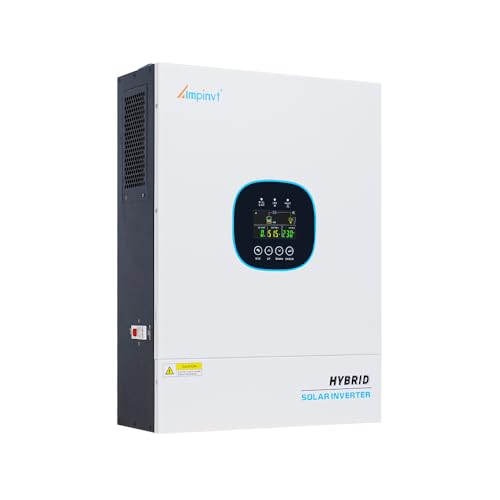
This Pure Sine Wave Solar Inverter is a combination of an inverter, ac battery charger , MPPT solar charge controller and AC auto-transfer switch. Support Single-phase,Split Phase and Three-phase 120/208V/240Vac Output, High transfer efficiency is above 92%.

MOVE IT. REMOVE IT. IMPROVE IT: Take a great pic, then make it better using Photo Assist¹ with Galaxy AI,² It gives you suggestions for improving your photo and makes it easier to move, remove or resize objects for post-worthy pics every time.

Increases PV Solar Array Output to battery bank by up to 30%.
Integrating ESG Into Corporate Strategy

What defines a truly successful corporate strategy in today’s fast-changing world? It’s all about integrating ESG into the core business model. Most savvy companies understand that ESG integration—embracing environment, social, and governance—creates value. Did you know 88% of businesses see sustainability as an opportunity? Stakeholder engagement matters too; investors want transparency and accountability. With 89% considering ESG factors seriously, it’s a no-brainer.
Risk management is essential, especially with looming regulatory changes like the EU’s Corporate Sustainability Reporting Directive. Companies are refining their corporate governance structures—making them stronger and more flexible. As more firms adopt ESG strategies, they’re not just ticking boxes. They’re paving the way for sustainable growth. Just as organizations need structured systems for household management, businesses require organizational tools that integrate both digital technology and traditional methods to maintain efficiency and accountability. Less boring boardroom talk, more exciting innovation, right?
Recommended Products

Full HD HDMI Game Capture Card: The Live Gamer Mini compact in size but mighty at performance, records your gameplays at clean and crisp 1080p 60fps video quality Zero-Lag...
Engaging Employees in Sustainability Initiatives

Many organizations understand that integrating ESG into their strategies is just the beginning. Engaging employees in sustainability initiatives is essential. Studies show that 74% of workers find jobs more fulfilling when they positively impact the environment. Imagine that! A happier workforce leads to better employee satisfaction.
To do this, companies can offer sustainability training, create employee resource groups, and integrate sustainability targets into job roles. Recognizing and rewarding sustainable behaviors helps too. Just think—38% of employees feel their employer isn’t doing enough. Simple changes in workplace organization, such as implementing quick-drying mesh materials in communal spaces, can demonstrate a commitment to practical sustainability while reducing mold and moisture issues.
Recommended Products

【Sturdy & Durable】This heavy-duty patio dining set feature a thichened metal frame with special E-Coating Technology that withstands outdoor elements, ensuring longevity and resistance against harsh weather, making it ideal for any outdoor space like deck, backyard, garden, porch, balcony, poolside

ZERO GRAVITY RECLINER: Outdoor zero gravity recliner designed for comfort and relaxation

Relaxed fit allows for easy movement, with room for layers underneath
Enhancing Supply Chain Coordination

How can organizations enhance supply chain coordination for better sustainability? Companies need to prioritize supply chain integration and collaborative logistics. A unified approach makes tracking emissions—especially those pesky Scope 3 emissions—easier than finding matching socks after laundry day!
Here are a few tips:
- Invest in technology: AI and smart labeling can sharpen insights.
- Adopt transparency: Stricter regulations demand clear reporting, so get ahead!
- Diversify suppliers: This helps mitigate risks and improve continuity.
- Encourage collaboration: Working together with suppliers fosters shared sustainability goals.
Just as clear design enhances visibility in physical organization systems, transparent supply chain practices make it easier to identify inefficiencies and track sustainability metrics across all operations.
Recommended Products

Small and Portable - Easily tucked into boxes, qualified for Air Transport Monitoring. Applied in vaccines, blood products, pharmacies, perishables delivery and distribution.

Immerse yourself: Crisp and expansive visuals on a 16" screen with up to 2.5k resolution panel and optional touchscreen capabilities on a 16:10 aspect ratio makes for a wide and enhanced viewing experience.

Designed for productivity: Your Inspiron PC is now ready for business with military-grade testing for added reliability and easy-to-use, built-in Trusted Platform Module to protect your data. Plus, connect all your personal and business devices with a range of connectivity options.
Leveraging Consumer Preferences for Sustainable Products
As organizations streamline their supply chain coordination, they can also tap into the growing enthusiasm for sustainable products among consumers. In fact, nearly half of Americans bought an eco-friendly item recently—how’s that for a green light?
With Millennials and Gen Z leading the charge, businesses can harness sustainable marketing strategies to connect with these eco-conscious shoppers. Here are a few ways to get started:
- Educate consumers: Share engaging content about sustainable practices.
- Label products wisely: Clear sustainability labels boost trust and sales.
- Be transparent: Help consumers understand pricing and choices.
Over a third of consumers want sustainable products, but many face barriers. By addressing these concerns with a focus on consumer education, companies foster loyalty and drive growth while making the world a better place. Consider how sustainable materials like bamboo are being integrated into everyday home organization products, offering eco-friendly alternatives that appeal to environmentally conscious consumers.
Recommended Products

Stable Dual Motor Lift: Adjust your standing desk adjustable height smoothly and quietly throughout the day. This dual motor standing desk lifts at 1.5"/s, supports 220 lbs, and stays stable at full height.

Custom Wooden USB Thumb Drive – Make a lasting impression with personalized USB thumb drives 16GB in walnut, maple, or bamboo. Personalize with your company logo, text, or custom artwork for a unique and eco-friendly promotional gift

PERFECT MINI STEAMER: These miniature bamboo steamers are deal for keeping smaller portions of steamed vegetables, fish, chicken, dumplings, or dim sum hot, fresh, and flavorful
Fostering a Culture of Transparency and Accountability
In today’s world, a culture of transparency can be a game changer for organizations. Building trust is essential. Transparency frameworks can help establish that trust by showcasing responsible management. When organizations embrace open communication—think clear reporting and accessible budgets—everyone wins.
Here’s how to foster a culture of accountability:
- Use accountability metrics to track progress and transparency.
- Regular audits help keep things fair—nobody likes pay disparities!
- Key leaders should share their thoughts, including mistakes. We’re all human, after all!
When leaders communicate openly, employees feel valued and engaged. This creates a positive workplace culture where everyone’s voice matters. Just as organizational features in physical spaces enhance accessibility and efficiency, transparent systems in workplace culture make information and resources readily available to all team members. Ultimately, transparency is not just a buzzword; it’s a path to a more connected, empowered organization. Fun fact, who doesn’t love a little honesty, right?
Frequently Asked Questions
How Can Small Businesses Implement Sustainability Practices Effectively?
Small businesses can effectively implement sustainability practices by fostering employee engagement through training and incentives, while also promoting community collaboration with local organizations to enhance resources, share knowledge, and drive collective environmental initiatives for greater impact.
What Are the Financial Benefits of Adopting Sustainable Practices?
Adopting sustainable practices offers financial benefits through significant cost savings and enhancing long-term investment potential. Companies can increase revenue, improve margins, and attract loyal consumers, driving both operational efficiency and market competitiveness in an evolving economy.
How Do I Measure the Impact of Sustainability Initiatives?
Measuring the impact of sustainability initiatives involves defining impact metrics and utilizing sustainability reporting frameworks. Organizations track performance against clear objectives to guarantee accountability and transparency, enabling stakeholders to assess progress effectively.
What Role Does Technology Play in Promoting Sustainability?
Like a beacon illuminating a path, smart technology and eco innovations play pivotal roles in promoting sustainability. They optimize resource use, enhance operational transparency, and foster collaboration, helping organizations achieve their environmental goals efficiently and effectively.
How Can Companies Communicate Their Sustainability Efforts to Stakeholders?
Companies can enhance stakeholder engagement by utilizing transparent sustainability reporting, focusing on personalized messaging, visual storytelling, and data-driven updates. This approach fosters trust and showcases commitment to sustainability initiatives, aligning with stakeholder expectations.


