As an Amazon Associate, we earn from qualifying purchases. Some links on this site are affiliate links at no extra cost to you. Our recommendations are based on thorough research and editorial judgment.


How Often Should You Replace Your Mop Head

Mop heads need a little TLC! Generally, replace traditional mops every 2-3 months. Cotton heads last about 15-30 washes, while microfiber can go over 100—lucky them! Keep an eye out for fraying, smells, or those pesky tears. If your floor sees lots of action, consider swapping them out every month or so. Regular washing helps, too! Follow these tips, and your mop will thank you—trust me. There’s even more to discover about keeping your clean game strong!
Key Takeaways
- Replace traditional/string mop heads every 2-3 months and cotton mop heads after 15-30 washes.
- Microfibre mop pads can last over 100 washes with proper care and maintenance.
- High-traffic areas require more frequent replacements, typically every 1-2 months.
- Inspect mop heads regularly for signs of wear, such as fraying edges or unpleasant odors.
- Clean mop heads after every use to prevent bacteria buildup and extend their lifespan.
General Recommendations for Mop Head Replacement
Replacing a mop head might not sound thrilling, but it’s vital for keeping spaces clean—so let’s get into it! To maintain cleanliness, understanding mop head types is important. Traditional and string mops should be swapped every 2-3 months. Cotton mop heads need a change every 15-30 washes or when they’re looking worse for wear. Meanwhile, microfibre mop pads can handle over 100 washes if well cared for.
Here’s a quick guide:
- Traditional/String Mops: Replace every 2-3 months.
- Cotton Mop Heads: Replace every 15-30 washes.
- Microfibre Mop Pads: Swap when absorbency dips.
Keep an eye out for fraying or funky smells. Don’t wait until your mop is more “ick” than “clean”! Just as regular dusting and mild cleaning extends the life of kitchen organizers, proper maintenance between replacements helps your mop head stay effective longer.
Factors Influencing Replacement Frequency

Mop heads don’t just gather dirt—they collect all kinds of factors that influence how often they need replacing. The mop material plays a big role in this. For instance, microfibre mop heads can last up to 500 washes, while cotton ones may need a swap after just 15 to 30 washes.
Consider these factors:
- Dust and humidity can wear them out faster.
- Floor types also affect their lifespan.
- Frequent cleaning boosts effectiveness but can hasten decline—talk about a tough job!
Storing mop heads properly, avoiding harsh soaps, and checking for worn fibers can help. Many modern microfiber mop heads are machine washable, making maintenance more convenient and extending their usable life. So, keep an eye on the mop’s condition—after all, no one wants to be mopping with a sad, worn-out head!
High-Traffic Areas and Their Impact

High-traffic areas demand special attention when it comes to mop head care. These spaces gather dirt and grime quickly—think bustling hallways or busy kitchens. Mop head durability decreases rapidly in such environments, needing replacement every 15 to 30 washes.
To keep things looking spiffy:
- Inspect regularly for fraying or thinning.
- Use multiple mops for different spaces to avoid cross-contamination.
- Wash mop heads after each use, if you can manage that!
Between cleaning sessions, a wall-mounted mop holder with secure ball slots can keep your mops organized and off the floor, helping them dry properly and maintain their condition longer.
Lifespan of Different Mop Materials

When it comes to choosing the right mop head, understanding the lifespan of different materials can make all the difference.
- Cotton Mop Heads last about 15 to 30 washes. They absorb well, but they can shed lint—who wants that mess?
- Rayon Mop Heads are great for streak-free shine but might leave floors a tad damp.
- Microfiber Mop Heads? They’re champs, lasting up to 250 washes, and they’re lightweight—goodbye, fatigue!
- Polyester/Synthetic Blends are sturdy and great for heavy use, though they’re less absorbent.
Choosing the right mop head materials greatly impacts cleaning effectiveness. 100% microfiber replacement heads offer superior absorbency and can maintain their shape after repeated machine washing, making them ideal for various surfaces including hardwood, tile, and laminate floors. So, weigh your options wisely; your floors may thank you later!
Importance of Regular Maintenance

Regular maintenance is essential for keeping mop heads in tip-top shape. It not only extends their lifespan but also boosts mop hygiene and cleaning efficiency. Here are some easy tips to follow:
- Wash mop heads after each use to prevent pesky bacteria from setting up camp.
- Dry them upside down to avoid grime—who knew drying could be strategic?
- Use separate sections in the mop bucket for clean and dirty water. This is like having a VIP area for clean stuff!
- Consider investing in adjustable dividers to organize and store your mop heads properly, keeping them separate from other cleaning supplies to maintain hygiene.
Cotton Mop Heads: Replacement Guidelines
Cotton mop heads tend to wear out faster than one might think, especially in busy spaces. In high-traffic areas, these trusty tools should be replaced every 1-3 months. The cleaning frequency matters, too—wash them regularly to prevent dirt buildup. A little laundry love can stretch their lifespan. However, visible wear signals a need for fresh mops.
Store your cotton mop heads properly—keep them dry to avoid that dreaded mildew smell! Similar to how acrylic magazine holders can last five to ten years with proper care and maintenance, your mop heads will serve you longer when stored correctly and kept free from excessive moisture.
Recommended Products

Effective Cleaning: Features a 100% cotton towel that efficiently absorbs dust, dirt, and moisture for a thorough clean on various hard surfaces.

Package Includes: 40 pack large microfiber tube mop heads, enough quantity to meet your daily use and replacement needs

DURABLE AND LONG LASTING – Kleen Handler loop end mop heads stand up to prolonged and repeated use; looped end design resists fraying, unraveling and tangling; mop heads are resilient and reusable, even for high-traffic areas that require regular cleaning
Microfiber Mop Heads: When to Replace
Microfiber mop heads are a fantastic choice for anyone looking to keep their floors spotless—unless they’re looking a tad worse for wear, that is! Properly harnessing microfiber technology, these mop heads last 500 to 1,000 washes. However, time takes its toll!
You should replace them when you notice:
- Visible bald spots
- Thinner, worn fibers
- Reduced cleaning effectiveness
Heavy use—think dance parties or a pet convention—might require more frequent swaps. For cleanliness, especially in high-traffic areas, daily replacements could be vital.
And remember, washing after each use is significant; it’s like a spa day for your mop! Just as breathable materials help contain odors in laundry baskets, proper maintenance of your microfiber mop head prevents bacteria buildup and keeps your cleaning tool fresh. So, keep an eye on those fibers; happy cleaning means happy homes!
Recommended Products

✔ [DURABLE AND MACHINE WASHABLE] — Our 36-inch Microfiber Wet Mop Pads are built to withstand countless wash cycles without losing absorbency. After rigorous testing spanning over 150 washes, these pads retained 100% of their initial absorbency, ensuring enduring performance.

[CLEAN LIKE A PRO] — Transform your cleaning regimen by eliminating the need for a vacuum and cutting your cleaning time in half! Our microfiber dust mop heads effortlessly gather dust, dirt, and debris, extending the lifespan of hardwood, laminate, and tile floors.

Smoothly and efficiently applies floor finishes and protectors to floors and is backed by a satisfaction guarantee to replace product within two years for comparable product.
String Mops: Frequency of Replacement
When it comes to string mops, understanding their replacement frequency can be a game-changer for cleanliness. These mops usually last about a month in busy settings, like restaurants—yikes! To boost string mop longevity, keep an eye on those frayed fibers. Here’s a quick guide:
- Weekly Usage: Change every 2-3 months.
- High-Traffic Areas: Swap out every 1-2 months—why risk it?
- Domestic Use: Less frequent replacements needed, due to lower grime.
Ignoring replacement can lead to more replacement costs later, as clinging dirt multiplies! Plus, nothing says “clean” like a fresh mop head. So, treat yourself—your floors will thank you, and your cleaning routine will become a breeze! Just like keeping your mop fresh, maintaining organization in your cleaning supply drawers with adjustable drawer dividers can help you quickly access replacement heads and other supplies when needed.
Recommended Products
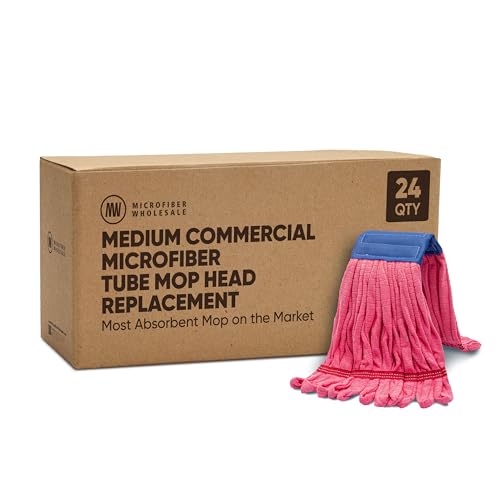
✔ [SUPERIOR ABSORPTION] — No mop absorbs more, this mop boasts remarkable capacity—perfect for professional use.

HIGHLY ABSORBENT:This lint free mop has the ability to grab dirt and not let go! The mop is super absorbent it’s really ideal for cleaning up spills. This means it’s a great mop for use in fast food restaurants, grocery and convenience stores, kitchens or anywhere else liquid is spilled.

WASHABLE, DURABLE, THIRSTY: 4 Ply Synthetic Rayon Blend, Loop End Yarn Provides Greater Absorption For the Toughest Jobs and Faster Drying
Dust Mop Refills: Signs of Wear
Dust mop refills, often overlooked, deserve just as much attention as their string mop counterparts. Keeping an eye on signs of wear is essential for effective cleaning. Look out for:
- Frayed or damaged edges
- Clusters of broken fibers
- Any holes or thinning patches
If the refill isn’t picking up dust like it used to, it’s time to replace it. When fiber integrity deteriorates, dust retention suffers too. Even frequent washing won’t restore it back to its prime. So, if it’s shedding more fiber than a bad haircut, it’s definitely time for a change. Remember, a worn refill not only looks sad but can also harbor bacteria. So, keep those dusty floors clean and inviting—your mop will thank you! Just as wall-mounted storage solutions help keep ironing boards organized and off the floor, proper mop head storage can extend the life of your cleaning tools between replacements.
Recommended Products

HydroJet System with Roller Mop: Equipped with a Dual Water Reservoir and a dual-scraper structure, E28 cleans the mop in real-time, ensuring it stays fresh throughout the cleaning session.
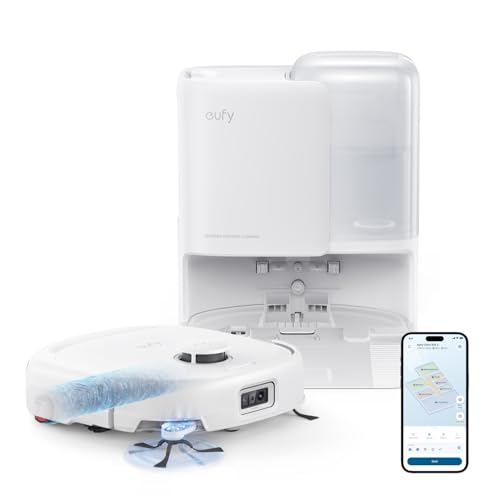
HydroJet Deep Cleaning System with Roller Mop: E25 maintains a spotless roller mop throughout every session by real-time self-cleaning 2 times a second.

Fully Automated Cleaning: Get a comprehensive cleaning experience with the fully self-maintaining robot vacuum and mop combo. Its auto-sufficient dock collects dust for up to 75 days, cleans mop pads with 75℃ (167℉) hot water, adds water and solution and dries the mops to prevent the spread of foul odors.
Microfiber Mop Pads: Indicators for Replacement
How can one tell when it’s time to toss that trusty microfiber mop pad? Well, keep an eye out for these telltale signs:
- Fraying edges: If the edges are looking fluffy and ragged, it’s signal time!
- Reduced absorbency: When water suddenly slides off? Yeah, that pad has seen better days.
- Discoloration: Stains that just won’t budge? Trust us, that mop isn’t a vintage piece.
- Visible tears: Those little rips can ruin your cleaning efficiency.
- Less effective cleaning: If dirt magically reappears, don’t hesitate—it’s time to shop!
Microfiber durability is impressive, lasting over 500 washes, but even the best things wear out. Keeping an eye on these indicators guarantees your cleaning stays efficient and effective! Just like how clear plastic organizers help you quickly identify items that need replacing, recognizing these signs ensures you maintain peak cleaning performance.
Recommended Products

ULTIMATE FLOOR CLEANER FLOOR MOP PADS: This mop head will leave your home sparkling clean and will give you all that you need to clean all floor types. Ideal for cleaning dirt, dust, pet hair and also reaches into crevices, baseboards and corners.

20" x 12" base, telescoping handle, 360 degree rotation, velcro bottom

DOUBLE THE CLEAN WITH ONE MACHINE. The Roomba Combo i5 robot vacuum and mop is designed for both wet and dry floor cleaning—converting from an all-floor vacuum to a vacuum and mop, with the simple switch of a bin.
Usage Frequency and Its Effects on Lifespan
Typically, the frequency of mop usage directly influences how quickly the mop head wears out. High-traffic areas see mops wearing out quickly—think every 1-2 months! For mops used weekly, replacements should occur every 2-3 months.
Here’s the deal:
- Cotton mops? Replace them after 15 to 30 washes.
- Microfiber mops last longer, but don’t forget to swap them out regularly.
- String mops need love too, ideally replaced every couple of months for proper mop hygiene.
Neglecting your mop can sabotage cleaning efficiency. Discolored fibers and worn-out heads just won’t cut it! If your mop looks like it’s seen better days—time for a change. Seriously, your floors (and your nose!) will thank you!
Cleaning Environment Considerations
When considering cleaning environments, it’s essential to recognize that each space brings its own unique challenges. Different floor types require specific mop materials. For example, microfiber mops excel on smooth surfaces, while textured looped mops tackle rough epoxy floors like a pro.
- High-traffic areas? Replace those mop heads more often!
- Have a large space? Go for bigger mop heads.
- Cleaning in tight spots? Low-profile designs are your friend.
Each scenario speaks to the cleaning protocols in place. Remember, compatibility is key; the wrong material can ruin a floor finish. And let’s not forget to properly dry mops to dodge mold and mildew—that’s a whole other adventure no one wants!
Signs of Wear and When to Act
Keeping a clean environment requires regular maintenance, especially when it comes to mop heads. Signs of wear include frayed fibers, shedding strands, or a rough texture on microfiber mops. If the mop picks up less dirt—despite your best efforts—it’s time to act! Consider these indicators:
- Persistent odors and stains signal bacteria growth.
- Visible bald spots or noticeable thinning indicate material breakdown.
- A drop in moisture retention means your mop isn’t absorbing spills effectively.
Ideally, cotton mop heads last about 50 washes, while microfiber lasts over 400. Regularly inspecting mop head durability can help maintain its cleaning efficiency and keep your home spick and span—so don’t let your mop become a relic of grime!
Best Practices for Cleaning and Maintenance
A clean mop head can make all the difference! To keep yours in tip-top shape, follow these best practices for cleaning and maintenance. First, rinse mop heads under running water right after use—no one wants to scrub mud later. Use warm water and mild detergents—ditch the bleach for sensitive mop materials.
- Disinfect by soaking in diluted bleach or vinegar for 10-30 minutes.
- For machine-washable heads, wash weekly using gentle detergents.
- Always hang mop heads in a well-ventilated area to dry—dampness is a no-go!
Train your cleaning staff on proper handling techniques, too. Trust us, a well-cared-for mop head gets the job done without drama—or that mysterious smell!
Health and Hygiene Implications of Dirty Mops
Cleaning routinely is important, but it’s just as essential to contemplate what happens when mops become dirty. Dirty mops can be danger zones for pathogen transmission, leading to illness. Microbial growth on mop heads can reach millions of bacteria!
Consider these points:
- Cross-Contamination: Mops transfer dirt and germs back onto floors.
- Healthcare Risk: In hospitals, reused mops can spread infections like norovirus.
- Bacterial Persistence: Bacteria like E. coli can survive for weeks on mop heads!
Frequently Asked Questions
Can I Wash Mop Heads in a Washing Machine?
Mop heads made from advanced microfiber materials can typically be washed in a washing machine. The frequency of washing depends on use, but regular cleaning guarantees durability and effective dirt removal, preserving the mop head’s performance.
How Can I Tell if My Mop Head Is Still Effective?
Indicators of mop effectiveness include frayed fibers, stubborn stains, and decreased absorbency. Different mop material types may wear differently, but persistent odors and reduced dirt pickup are universal signs that replacement is necessary for ideal cleaning.
Are There Eco-Friendly Mop Head Options Available?
Eco-conscious consumers will find a delightful array of eco-friendly mop head options available. These include sustainable materials like cotton and biodegradable options crafted from recycled fibers, effectively merging cleaning efficiency with an environmentally responsible approach.
Is It Safe to Use a Mop Head After a Spill?
Using a mop head after a spill poses risks due to potential bacterial growth, compromising sanitation and hygiene. Effective spill sanitation requires thorough cleaning of the mop, or replacement, to guarantee safe and hygienic surface maintenance.
Should I Store Mop Heads Damp or Dry?
Mop heads should always be stored dry, not damp, to maintain ideal mop hygiene. Storage best practices include ensuring thorough drying and proper ventilation, preventing the dangers of mildew and bacteria lurking within neglected fibers.


