As an Amazon Associate, we earn from qualifying purchases. Some links on this site are affiliate links at no extra cost to you. Our recommendations are based on thorough research and editorial judgment.


How to Properly Pack Comforters and Bedding in Vacuum Bags

To pack comforters and bedding in vacuum bags, start by cleaning and fully drying them. It helps prevent mildew—trust me, no one wants that! Then, fold them neatly and use jumbo vacuum bags. Roll them tightly for space savings, but don’t overstuff! Secure the seals properly to avoid leaks. Store them away from sunlight for extra protection. Need help with long-term storage tips? Keep going for more helpful insights!
Key Takeaways
- Ensure all comforters and bedding are clean and fully dry to prevent mildew before packing in vacuum bags.
- Select high-quality jumbo vacuum bags for bulky items and ensure they are made from durable PA and PE materials.
- Fold comforters neatly and roll bedding tightly to maximize space and organization within the vacuum bags.
- Avoid overstuffing bags, check for damages, and seal properly to prevent air leaks and maintain integrity.
- Store vacuum-sealed bags in a cool, dry location and regularly inspect for leaks to preserve contents.
Preparing Your Comforters and Bedding for Packing
Packing bedding might seem challenging, but with a little preparation, it can be a breeze! Start by cleaning and fully drying comforters and bedding. Nobody wants mildew sneaking into their cozy blankets, right? Washing eliminates dust, oils, and allergens for freshness. Remember to use gentle cycles for delicate materials.
Next, fold those comforters neatly—halves or thirds work wonders for bedding organization. Fluff them up to keep that loft, but don’t over-compress! You’re not making pancakes! High-quality vacuum bags are essential; they resist tears and keep those pesky air pockets at bay.
Finally, store your vacuum-sealed treasures in moisture-resistant bins. Consider using clear plastic storage bins that are stackable to maximize vertical space in your closet or storage area while keeping your bedding organized and easily accessible. Label them to avoid a confusing game of ‘what’s inside?’ Your bedding deserves that extra TLC!
Selecting the Right Vacuum Storage Bags

Selecting the right vacuum storage bags can make all the difference in keeping bedding fresh and organized. There are various bag varieties available to suit different needs.
- Jumbo bags work wonders for comforters and large blankets.
- Large and medium bags fit most standard pillows and blankets.
- Small bags are great for organizing smaller items—though they’re less common for bulky bedding.
Size selection matters too. Bigger bags hold more, but may not compress tightly. Medium bags are versatile for home and travel.
Durable materials, like PA and PE, guarantee the bags withstand compression. Plus, double-zippers create airtight seals to minimize air leakage! A good selection makes storage much easier, and maybe even a little fun—because who doesn’t love an organized space? Just as adjustable dividers help organize cans of various sizes in a pantry, choosing bags with flexible sizing options ensures your bedding fits perfectly without wasted space.
Recommended Products

This package is included with 50 quantity Extra Large 47"X32" size vacuum storage bag. Extremely useful product for home organizing, storage, packaging, moving or traveling.
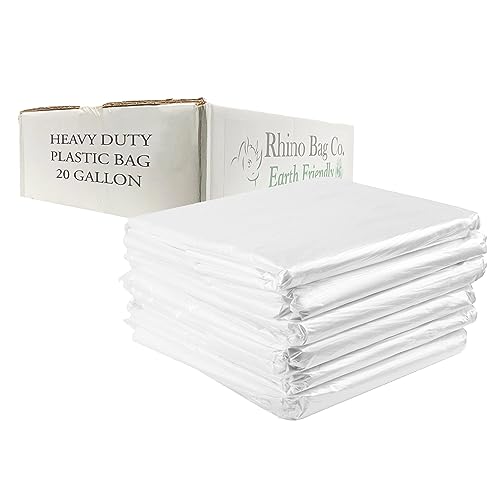
Norton Supply Rhino Bag: Get the Most Out of Your Large Clear Plastic Bags. Unlock premium value with Norton Supply's Rhino Bag! Stocked up for commercial and home projects—this 20-gallon poly bag offers heavy-duty durability and see-through transparency for whatever storage needs you have. Perfect for clothing, luggage, bedding, and more, ideal for packing, transporting, and wrapping.

👚16 Pack Includes: There are 16 vacuum storage bagsin total, 4 Jumbo: 39.35” X 31.5”(100cm X 80cm); 4 Large: 31.5” X 23.5”(80cm X 60cm); 4 Medium: 27.5”X 19.5”(70cm X 50cm); 4 Small: 23.5”X 15.7” (60cm X 40cm).
Techniques for Efficient Packing of Vacuum Bags

Efficient packing of vacuum bags can save space—and maybe your sanity! First, make sure your comforters and bedding are clean and completely dry. Moisture is not your friend here! Remove any loose accessories to avoid puncturing the bags.
Try these vacuum techniques for efficient packing:
- Use jumbo bags for bulky items.
- Roll bedding tightly to save space.
- Layer items snugly, but avoid overfilling.
A portable hand pump or vacuum cleaner helps in air removal. Don’t forget—label each bag to avoid future treasure hunts. Protect delicate items with layers!
For items you access frequently, consider using clear storage bins instead, as they offer quick visibility without the need to unseal and reseal vacuum bags.
With these tips, you’ll be a vacuum bag packing pro in no time. Who knew saving space could also feel this satisfying? Happy packing!
Recommended Products

Revolutionary Dual Compression Technology: Combines the power of a vacuum seal with a built-in rigid compression board. Unlike traditional vacuum bags that become irregular lumps, the pressure board ensures a flat, uniform surface for maximum space-saving and easy stacking.
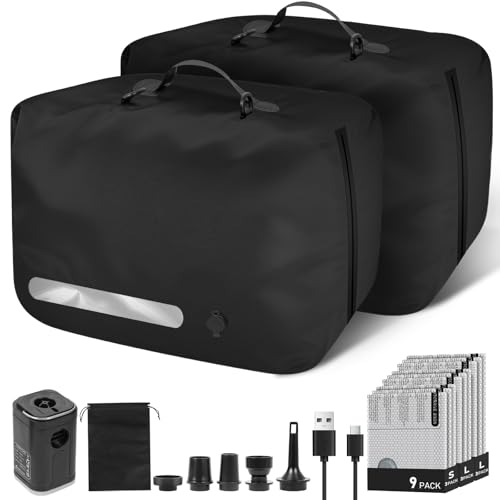
2×41L Extra-Large TPU Bags with 180° Wide Opening:Load bulky items quickly and easily!2x 41L TPU bags feature an ultra-wide 180° opening, making packing comforters, blankets, and queen-size bedding faster and hassle-free. Includes 9 PA+PE bags in S/M/L for additional family items..

This pack includes 50 quantity large 36"X28" inch size vacuum storage bag. Extremely useful product for home organizing, storage, packaging, moving or traveling.
Steps to Protect Comforters During Packing

When it comes to protecting comforters during packing, a little care goes a long way—especially if you want to avoid a wrinkled mess when you unpack later! First, clean the comforters to make sure they’re free from dust and stains. Always check for tears, and fix them—trust me, a little effort now saves headaches later!
Here are some protective measures to keep in mind:
- Remove any loose items, like buttons.
- Use a fabric protector for added defenses.
- Roll or fold them neatly, reducing bulk.
Lastly, sturdy boxes and packing tape are your friends. For storing extra bedding or seasonal comforters, consider using collapsible laundry hampers with capacities ranging from 42L to 100L, which can efficiently hold bulky items while saving space when not in use. Remember, your comforters deserve a cozy trip—just like you on vacation! So, take your time, and don’t rush this process. Happy packing!
Space-Saving Benefits of Vacuum Packing

Packing bedding can often feel like playing a game of Tetris—only instead of blocks, you’re contending with fluffy pillows and bulky comforters. Vacuum packing is a game-changer for space efficiency. It shrinks your bedding by up to 80%, giving you room to breathe! Think about it—your large duvet reduced from 8 liters to just 2. That’s impressive!
- Fits into tight spots: Use under-bed spaces or narrow shelves!
- Stacking made easy: Group multiple sets in one area to tackle clutter reduction.
Say goodbye to those cumbersome storage boxes! With vacuum bags, you’ll be amazed how easily you can slide everything into a small corner. Just as stackable storage solutions maximize vertical space for cosmetic organizers, vacuum-sealed bedding allows you to efficiently layer multiple sets without sacrificing accessibility. Embrace the freedom of space—you’ll wonder how you lived without it!
Recommended Products

A Premium Way To Organize Your Home: This XXL vacuum storage bag combines compression with a semi-rigid box that helps maintain a clean, squared form. The result is a heavy-duty storage solution that remains visually tidy and easy to stack on shelves, closets, or storage rooms.

Newest size combination

👜MAXIMIZED PACKING SPACE--Compress clothes up to 85% smaller with the powerful 4.5kPa vacuum pump, turning bulky jackets, sweaters, and bedding into flat, travel-ready packs in seconds. Pack more outfits without upgrading your suitcase—perfect for flights, cruises, camping, and long trips.
Common Mistakes to Avoid When Packing
Vacuum bags can work wonders for maximizing space and minimizing clutter, but there are pitfalls that many experience. First, verify proper bag inspection—using thin or small bags can ruin your bedding. Avoid these common pitfalls:
- Overstuffing: It can damage fibers and create creases.
- Using damaged bags: Always check for punctures before sealing.
- Improper sealing: Air leaks can let moisture in—yikes!
- Rough handling: Be gentle; these bags are not footballs!
And, please—don’t leave them in direct sunlight—who knew plastic could be so picky? Remember, storing with care extends the life of your beloved comforters and linens. Once you’ve stored your bedding, consider using acrylic shelf dividers to organize your linen closet and keep everything neatly separated and easily accessible. You’ll thank yourself later—trust me!
How to Properly Clean Your Bedding Before Packing
Cleaning bedding before packing is crucial for maintaining freshness and preventing unpleasant surprises later. First, check care labels—those little tags hold the secrets to fabric care. Next, sort and separate items by color and fabric type to keep everything looking good and avoid mishaps.
Use a gentle detergent—your bedding deserves some pampering! Weekly washing is key, especially for sheets and pillowcases. Wash in cold water and stick with a gentle cycle to protect delicate fabrics.
Rinse well to eliminate soap residues—no one likes stiff bedding. When drying, avoid high heat! Remove slightly damp to reduce wrinkles, or hang outside to freshen. After cleaning, verify everything is completely dry. Once your linens are fully dried, store them in clear plastic organizers to keep them visible and protected from dust until you’re ready to vacuum seal them. Your bedding will love you for it!
Importance of Repairing Damage Before Vacuum Packing
Before diving into vacuum packing, one should definitely take a moment to assess any damage to the bedding. A thorough damage assessment can save time and trouble later. Look out for tears, holes, or any signs of wear. Those pesky fibers deserve a chance!
Repair techniques like hand-stitching work wonders. Repairing items keeps them intact, preventing further damage during storage. It’s like giving your bedding a spa day! Here’s why repairs matter:
- They maintain structure.
- They enhance storage quality.
- They preserve insulation.
Ignoring damage can lead to increased wrinkles and fiber breakdown. Trust me, no one wants a lumpy, sad comforter. So, take the time to repair now—it’s worth it for snuggly, happy bedding later!
Tips for Organizing Bedding by Size and Type
Organizing bedding can be a breeze—if one knows where to start. First, tackle size categorization! Group items into flat sheets, fitted sheets, blankets, comforters, and pillowcases. Removing unused or ripped items helps reduce clutter—donate or repurpose if possible!
Keep a couple of sets for easy rotation. Use bedding labels on containers. Labeling helps avoid mix-ups when searching for that elusive fitted sheet!
Try clear or stylish bins to maintain a neat appearance. Make sure they’re stackable—who doesn’t love saving space? Dividers in shelves can work wonders too.
Lastly, keep specific shelves for each type. Cube organizer shelves with multiple compartments can efficiently separate different bedding types while keeping everything visible and accessible. A tidy organization can even make laundry day feel less intimidating—well, almost. Happy organizing!
Long-Term Storage Tips for Vacuum-Sealed Comforters
While keeping comforters snug and protected is essential, it’s also important to know that vacuum sealing them for long-term storage requires some thoughtful preparation. Vacuum bags are great for short-term—around three to six months. For longer durations, consider these tips:
- Location matters: Store them in a cool, dry spot—think “cooler than a snowman.”
- Inspect regularly: Check for leaks—because who wants a soggy surprise?
- Fluff it up: Every few months, release air and fluff your comforter back to life.
- Use protective layers: Acid-free tissue can prevent fibers from getting cranky.
- Organize with care: Consider using clear storage bins alongside your vacuum bags to keep everything visible and protected from dust.
Keeping these long-term considerations in mind will help maintain your comforter’s fluffiness—and keep your blankets cozy, just like a warm hug!
Recommended Products

Save over 4x the storage space using our super space saving storage bag! Dual zippers seal ensures a secure seal for optimal compression every time, all the time

【34L Large Capacity & Safety Material】 - 2 Pcs 34L large vacuum bags, perfect for bulky comforters, blankets, pillows. Made of PE+PA composite material, non-toxic, BPA-free, no harmful chemicals - safe for all family use!
Best Practices for Maintaining Vacuum Seals
Maintaining vacuum seals can feel like a full-time job, but it doesn’t have to be an intimidating task! Regular vacuum maintenance is key. First, clean your vacuum sealer after every use—yes, even if you think it’s “just a little dusty.” Inspect seals for blockages or wear. It’s a simple step that can save you headaches later!
Here are some best practices:
- Check the oil level and clarity regularly—cloudy oil is not your friend!
- Inspect the seal area for damage—it’s one of those things we tend to forget.
- Clean the drip tray often to avoid a sticky mess.
Just like selecting durable materials for storage organizers ensures longevity against daily wear, choosing high-quality vacuum bags will help maintain effective seals over time.
Recommended Products

70L Large Capacity: 70-liter chamber of these vacuum storage bags swallows hoodies, towels, even sleeping bags—polyester + TPU double layer rated IP68, so your gear stays...
Frequently Asked Questions
How Long Can I Store Vacuum-Sealed Bedding?
Vacuum-sealed bedding can last 6 to 12 months under ideal conditions. To improve vacuum bag lifespan, embrace bedding preservation tips, consider material quality, minimize bag access, and protect from heat and humidity to guarantee longevity.
Can I Reuse Vacuum Bags After Opening?
Yes, vacuum bags can be reused after opening, provided proper vacuum bag maintenance is followed. Essential storage tips include thorough cleaning, inspecting for damage, and ensuring the contents are suitable to avoid contamination risks.
What Types of Bedding Can I Vacuum Pack?
Comforters, quilts, pillows, blankets, and sheets are suitable bedding materials for vacuum sealing. Comforters and blankets benefit most, while quilts and pillows may risk insulation loss or shape alteration if compressed excessively.
Is It Safe to Pack Down Alternative Comforters?
Packing down alternative comforters is generally safe if proper packing tips are followed. Ensuring thorough drying, using quality bags, and moderate compression helps maintain loft and prevents damage, promoting longevity of the synthetic fibers.
How Do I Know if My Vacuum Bag Is Sealed Properly?
A properly sealed vacuum bag appears taut, its surface smooth like a drum. Observing sealing techniques and ensuring vacuum maintenance, one can check for air removal by noticing a subtle tightening, indicating successful containment of items within.