As an Amazon Associate, we earn from qualifying purchases. Some links on this site are affiliate links at no extra cost to you. Our recommendations are based on thorough research and editorial judgment.


Room-by-Room Decluttering Guide for New Year Fresh Starts

A room-by-room decluttering guide can really kickstart a fresh new year! Start with your entryway—limit shoes to just 1-2 pairs per person, and use hooks for coats. In the kitchen, ditch those duplicate gadgets—nobody needs ten spatulas! As you tackle your bedroom, consider seasonal sorting and invest in some organizers. Don’t forget the living room! Keep only items used in the last six months. Ready to transform your space? There’s much more to explore!
Key Takeaways
- Start by decluttering your entryway; limit shoe storage and assign hooks for coats and bags to create an organized first impression.
- Focus on your kitchen by donating duplicates, tossing expired food, and using labeled containers for easy access and cleanliness.
- In your bedroom, utilize closet accessories, practice seasonal sorting, and store small items in airtight containers for efficiency and aesthetics.
- Tidy your living room by categorizing belongings, discarding broken items, and donating unused items quickly to maintain a clutter-free space.
- Organize your home office by sorting papers into specific piles, digitizing files, and using cable clips to streamline your workspace.
Decluttering Your Entryway
When tackling the decluttering of an entryway, it’s important to remember that a little organization can go a long way in transforming chaos into calm. Assess the entry points you use daily—front or back door, maybe the garage? Evaluate furniture too—oversized pieces can suffocate space.
Try these tips for successful entryway organization:
- Limit shoe storage to 1-2 pairs per person.
- Use bins or closed units to corral shoes.
- Assign hooks for coats and bags—just like school!
- Store out-of-season gear elsewhere.
Consider adding drawer organizers with customizable compartments to keep keys, sunglasses, and small essentials neatly separated and easy to find. This way, your entryway feels inviting instead of overwhelming. Plus, when you rush out, you’ll waste less time searching for that elusive umbrella—your future self will thank you!
Recommended Products

【Premium Solid Wood Construction】Expertly crafted from 100% solid wood, this armoire wardrobe closet delivers exceptional durability and lasting beauty. Its reinforced solid wood closet structure features a classic wardrobe closet with doors and adjustable shelves, offering versatile storage for clothing, bedding, and accessories. Ideal as a bedroom armoire wardrobe closet or functional closet organizer, it seamlessly enhances any bedroom aesthetic with its natural wood grain texture.
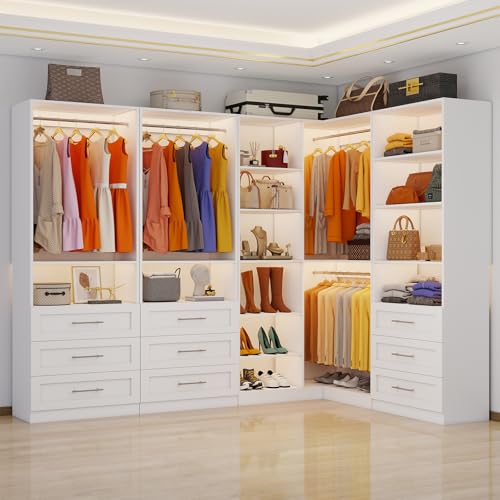
【Customizable 8.5–21.5FT Closet System – Maximize Your Storage】Create a spacious layout with 3 closet organizer systems and 1 corner unit, forming a complete modular closet system for large rooms and walk-in closets. The setup measures 102.9"W and expands up to 260.2" with 4 extra side rods, fitting different room sizes with ease. Designed for real storage needs, it includes 9 wooden drawers, 12 open shelves, and 8 extendable hanging rods (4 inner + 4 side), providing dedicated space for clothes, bags, accessories, and seasonal items. Everything stays visible, easy to reach, and neatly organized in one streamlined setup.

VERSATILE ORGANIZER: This solid-wood 10 section shelf with translucent trays is perfect for storing books, toys and other items. Great for Home, Office, School Classroom, Daycare, Montessori, Preschool, Kindergarten storage
Streamlining Your Kitchen

After the entryway is sparkling and organized, it’s time to turn attention to the kitchen. This space can easily become a chaos zone! First, tackle those kitchen gadgets—do you really need three whisks? Yep, it’s time to donate duplicates. Next, focus on pantry organization. Use the Four Box Method: keep, donate, trash, relocate. Toss expired food—it’s basically a science experiment at this point!
Organize items into clear, labeled containers. It makes life easier—because no one wants a treasure hunt for baking soda! Consider investing in airtight food storage containers with side-locking lids to keep dry goods fresh and prevent moisture from sneaking in. Also, limit counter clutter to essentials only. Designate zones for coffee, prep, and cooking. Keep everything in its place, and you’ll feel like a kitchen pro—no chef’s hat required!
Recommended Products
Stens replacement parts have become a favorite among lawn and landscape professionals thanks to exceptional performance.

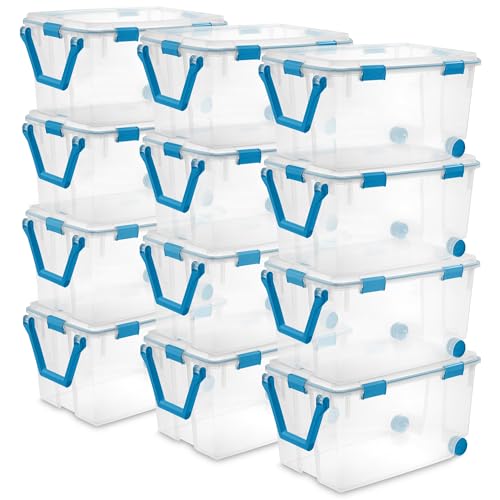
Heavy duty: Storage bin is a heavy duty storage container used for storing and transporting items

Designed for Regulatory Compliance - A plastic drum can help you meet regulations for the storage, transportation, and disposal of hazardous materials by selecting the lid based on the requirements for the material being handled
Organizing Your Bedroom and Closet

Organizing a bedroom and closet can feel like an intimidating task, especially as it often resembles a never-ending game of hide-and-seek. But fear not! Tackling this can reveal hidden treasures—or that shirt from high school.
First, list your bedroom essentials: clothes, shoes, accessories. Next, assess your closet. Does it need more space or smarter layouts?
- Invest in closet accessories like shelving units and drawer organizers.
- Consider seasonal sorting—maybe those summer dresses can hibernate for winter!
- Visual appeal matters; think glass cases and modern lighting.
For items like accessories, jewelry, or small essentials, airtight storage containers with clear designs help you quickly identify contents while keeping everything fresh and dust-free.
Tidying Your Living Room and Common Spaces

Living rooms and common spaces often become the catch-all areas of a home, much like that rarely used drawer filled with miscellaneous items. To tackle living room organization, begin by categorizing everything. Create piles for keeping, donating, and discarding.
- Keep only items used in the past six months.
- Donate useable things promptly.
- Toss broken stuff—don’t overthink it!
Clutter management helps reduce stress. With fewer items, relaxation becomes more attainable. Dust bunnies can’t breathe through clutter, either! Consider using adjustable dividers in storage bins or cabinets to maintain order and prevent items from shifting around during daily use.
Clearing Your Home Office

A well-organized home office can transform chaos into calm—yes, really! Start by tackling those mountains of paper. Sort documents into four piles: urgent, archive, recycle, and shred. You might discover that old receipts have been auditioning for the world’s longest yard sale! For effective paper management, digitize important files. This not only reduces clutter but also makes things easier to find.
Next, simplify your workspace organization. Keep just the essentials and donate any unwanted office supplies. Use cable clips for errant cords, avoiding a mini jungle of wires. Designate specific areas for tasks—like your own productivity kingdom. Consider investing in a multi-tier desk organizer to keep your essential documents easily accessible and off your desk surface. With these steps, you’ll turn your office from cluttered chaos into a functional, peaceful haven. Happy decluttering!
Addressing Miscellaneous Areas
After conquering the clutter in a home office, it’s time to turn attention to the various miscellaneous areas that can easily become overcrowded. These spaces can be tricky—like an unsolved puzzle, right? Here are some decluttering strategies to restore order:
- Entryways: Use hooks for keys and small containers for loose items.
- Junk drawers: Empty before sorting, use dividers, and group by category for easier access.
- Seasonal decor: Let go of items you don’t love or need anymore.
- Kids’ stuff: Sort out toys and equipment—donate what you don’t use.
- Storage solutions: Consider adjustable shelving units for basements, garages, and closets to maximize vertical space and keep items organized year-round.
Implementing Effective Decluttering Tips
When tackling the overwhelming task of decluttering, effective strategies can make all the difference. Consider the Clean Sweep method—empty the room and only return what you need or love. It’s like playing a fun game against clutter!
Or try Round Robin decluttering, breaking it down into manageable sections. Start with Sentiment-Free Zones, like your kitchen, to build confidence before addressing those emotional attachments.
For digital decluttering, organize your files just like your closet. Set aside weekly sessions, even fifteen minutes, for a quick tidy-up.
Once you’ve sorted through your belongings, invest in decorative storage bins that combine functionality with style to maintain your newly organized spaces.
Frequently Asked Questions
How Often Should I Declutter My Home?
To maintain an organized home, individuals should engage in seasonal decluttering and implement monthly maintenance sessions. This strategy helps prevent clutter buildup, ensuring spaces remain functional and manageable throughout the year. Consistency is key.
What Are the Benefits of Decluttering Beyond Aesthetics?
Decluttering offers significant benefits beyond aesthetics, including stress reduction and increased productivity. Organized spaces foster a calmer mental state, enhance focus, and improve overall efficiency, promoting healthier lifestyles and improving emotional well-being in individuals.
Can Decluttering Improve My Mental Health?
Finding clarity can be a game changer; decluttering considerably improves mental health through stress reduction. An organized space fosters a clarity boost, helping maintain focus and enhancing mood while reducing anxiety and overwhelming feelings.
How Do I Maintain Organization After Decluttering?
To maintain organization after decluttering, one can establish routines and effective decluttering systems, ensuring regular tidying, designated storage for items, and implementing rules for incoming items to prevent future accumulation and disorder.
What Should I Do With Items I No Longer Need?
Items cluttering space can become treasures for others: donate items to thrift stores or charities, and recycle materials to avoid the landfill graveyard. Perhaps they are merely refuse to some, but potential gems to others.