As an Amazon Associate, we earn from qualifying purchases. Some links on this site are affiliate links at no extra cost to you. Our recommendations are based on thorough research and editorial judgment.

The Psychology Behind Post-Holiday Mess and How to Overcome It

The post-holiday period can feel like a letdown—like your favorite snack is suddenly gone. Emotional fatigue can hit hard, with irritability and sadness sneaking in. Here’s some friendly advice:
- Stay social—call friends or volunteer.
- Set simple routines, like meal times, to regain structure.
- Plan fun outings for a little sparkle ahead.
If feelings linger too long, seeking help is a smart move. Stick around to uncover more strategies for brighter days ahead!
Key Takeaways
- The post-holiday blues stem from emotional fatigue, heightened stress, and unmet expectations from family gatherings and holiday pressures.
- Financial constraints and the pursuit of holiday perfection significantly contribute to stress, making transition back to routine even more challenging.
- Gradually reintroducing routine can ease feelings of dissatisfaction and reluctance as responsibilities resume after the holiday season.
- Engaging in social activities and maintaining structured routines through self-care can combat loneliness and enhance overall mental well-being.
- Planning future enjoyable experiences and setting personal goals provide motivation and a positive outlook during the post-holiday period.
Understanding the Emotional Impact of Holidays
What makes the holiday season so emotionally charged? The blend of holiday nostalgia and stress can create a rollercoaster of feelings. While many cherish fond memories, nearly nine in ten adults report increased stress. Finances, family conflicts, and grief over missed loved ones can weigh heavily. Therefore, emotional regulation becomes essential.
- Too much holiday cheer can lead to anxiety—yikes!
- Balancing obligations and expectations is tricky—like a juggling act gone wrong.
- Remember to prioritize self-care—don’t ignore health needs.
Taking a moment to pause, breathe, and reflect can help manage these emotions. Embrace the joyful moments! With a little planning, anyone can navigate the emotional chaos of the season with grace (and maybe a slice of pie)! Once the festivities end, creating order in cluttered spaces like bathrooms with sliding drawer organizers can provide a sense of control and help reset your environment for the new year.
Common Symptoms of Post-Holiday Blues

After the holiday buzz settles down and life resumes its usual pace, a sudden shift in mood can catch many off guard. People may experience emotional fatigue, leading to feelings of sadness or emptiness. Increased irritability and mood swings—oh, the joys of family gatherings—are common during this time.
Behavioral changes arise, too. Many withdraw from social interactions and lose interest in once-loved activities. Sleep troubles? Yes, insomnia often tags along.
The bright side? These symptoms, while inconvenient, usually last just a few days or weeks. For some, getting back to daily routines can feel like climbing a mountain. If they persist beyond two weeks, seeking help can be a smart move. One practical step toward regaining control is organizing leftover holiday treats in airtight storage containers to maintain freshness and reduce kitchen clutter. Remember, it’s okay to feel a little lost post-holiday!
The Role of Expectations in Holiday Stress

Holiday cheer often comes wrapped in a package of lofty expectations. Many feel holiday anxiety due to the pressure to create perfect celebrations. This includes financial constraints, family dynamics, and even social media. Here are some common stressors:
- 64% of Americans feel financial pressure.
- 30% expect the holiday to be “perfect.”
- 43% claim stress interferes with enjoyment.
Expectation management can alleviate some of this weight. Setting realistic goals helps reduce disappointment. Instead of aiming for an Instagram-worthy gathering, focus on shared laughter and loved ones—sounds good, right? Remember, the holidays are about connection, not competition. Practicing gratitude, talking openly about stress, and prioritizing self-care can make a big difference. After the festivities end, regularly declutter and reassess your storage needs to maintain a sense of calm and organization in your space. So, let’s keep it cozy and lower those expectations!
Recommended Products

RED & NEAR-INFRARED LIGHT THERAPY: The Hooga PRO1500 uses 660nm red light and 850nm near-infrared wavelengths commonly used in red light therapy devices. Designed for convenient at-home sessions as part of a daily wellness routine.
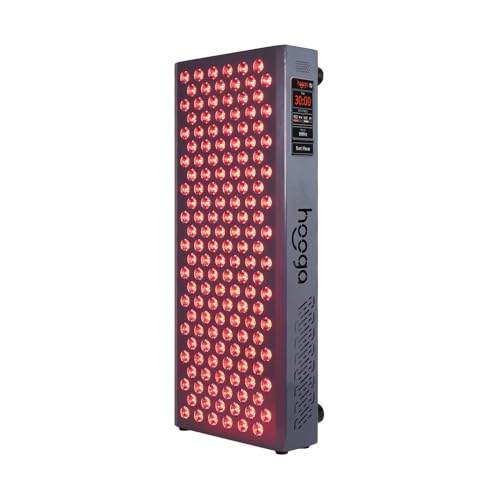
ULTRA SERIES HIGH-OUTPUT PANEL: The Hooga ULTRA750 is part of the ULTRA Series and features 150 quad-chip LEDs designed to deliver consistent red and near-infrared light output in a larger panel format for home wellness routines.
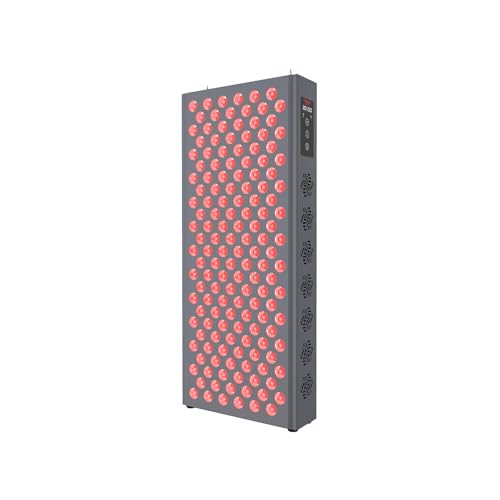
RED & NEAR-INFRARED LIGHT THERAPY: The Hooga PRO750 uses 660nm red light and 850nm near-infrared wavelengths commonly used in red light therapy devices. Designed for convenient at-home sessions as part of a daily wellness routine.
The Effect of Transitioning Back to Routine

Typically, shifting back to routine feels like jumping on a roller coaster—you know it’s going to be a wild ride, but you still brace for the plunge. Post-holiday, routine disruption can leave anyone feeling stuck. People often face a clash between the freedom of vacation and the strict demands of daily life.
- Common emotions include dissatisfaction and reluctance.
- The dreaded “reentry stress” kicks in as responsibilities loom large.
Return expectations can feel even more overwhelming. After a break filled with adventure, ordinary tasks seem mundane. Adjusting takes time: some need only a week, while others might linger in holiday bliss for two. The key? Embrace a gradual return. It’s perfectly normal to feel these blues—everyone does! One effective way to ease this transition is by reducing clutter in your personal spaces, which can significantly improve productivity and mental clarity as you reestablish your routine.
Recommended Products

No bearings or drawer slides to wear out or fail / Low resistance, drawers close properly every time with one hand

2100 lbs Weight Set with Dumbbell Rack: Includes 20 pairs of rubber hex dumbbells from 5 to 100 lbs. Dumbbell pairs in 5, 10, 15, 20, 25, 30, 35, 40, 45, 50, 55, 60, 65, 70,75, 80, 85, 90, 95 and 100 lbs. offer a versatile range of strength training exercises that's perfect for home gyms or professional settings. These hand weights provide the right free weight for different fitness levels and exercises, helping you reach your fitness goals faster
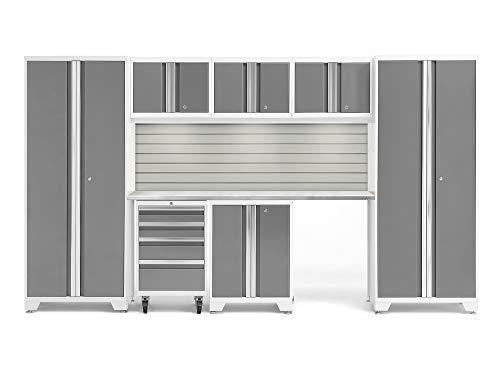
Set Includes: 2x Multi-Use Lockers, 1x Rolling Tool Drawer Cabinets, 1x Two-Door Base Cabinets, 3x Wall Cabinets, 1x 72" Stainless Steel Worktops, 1x 72" Backsplash Kits, 1x LED Lights with Power Adapter and 2x LED Lights with Connector Cable
Financial Pressures and Their Emotional Toll
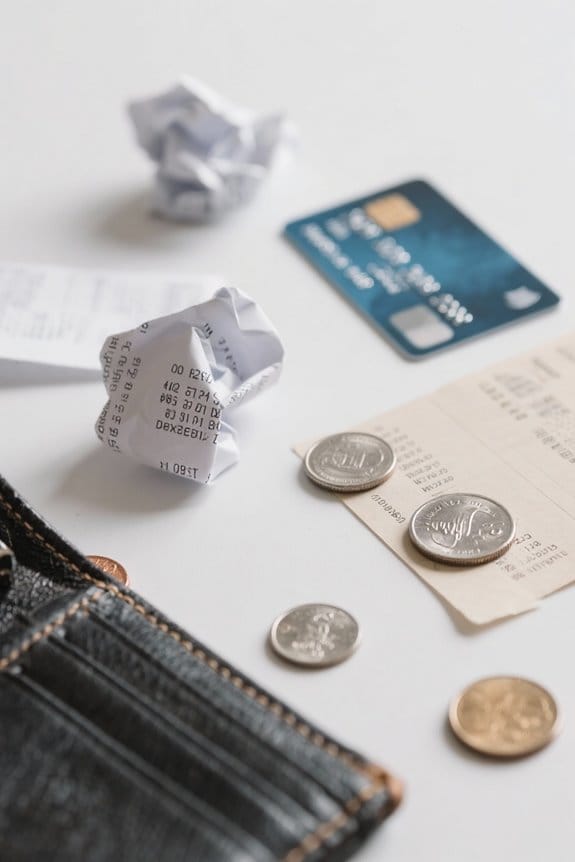
Financial pressures often creep up as the festivities fade. Suddenly, that joyful holiday spending feels like a heavy financial burden. Many people find themselves grappling with new debt, thanks to gift-giving and holiday traditions. Truth be told, this anxiety can transform into full-blown stress. Did you know around 72% of Americans feel financially stressed?
That’s a lot of anxious folks!
However, building emotional resilience is key. Here are some tips to tackle those post-holiday blues:
- Create a budget—trust us, it helps!
- Cut down on social media—no more comparing!
- Focus on experiences over material gifts.
One practical way to regain control is tackling household clutter with under-sink organizers that maximize space and bring order to chaotic areas.
Recommended Products

[Independent bathroom vanity] The unique pattern of the bathroom cabinet has extraordinary visual enjoyment under the illumination of the bathroom lamp. Sophisticated looks combined with functional construction will grace your bathroom.
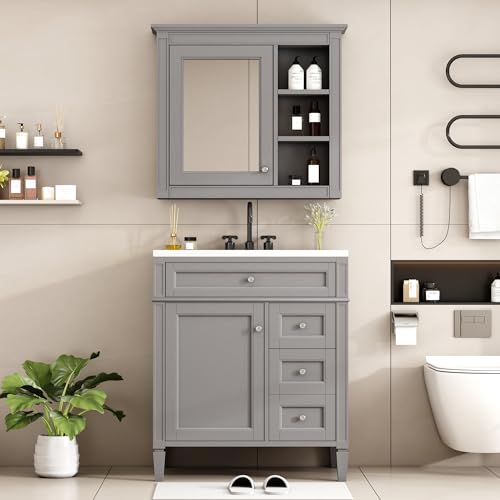
[Independent bathroom vanity] The unique pattern of the bathroom cabinet has extraordinary visual enjoyment under the illumination of the bathroom lamp. Sophisticated looks combined with functional construction will grace your bathroom.

[Independent bathroom vanity] The unique pattern of the bathroom cabinet has extraordinary visual enjoyment under the illumination of the bathroom lamp. Sophisticated looks combined with functional construction will grace your bathroom.
Vulnerable Groups and Increased Risk Factors
As the joy of holiday celebrations fades, certain groups feel the weight of the season more acutely. Youth concerns, like affording gifts, often spike stress. Many young adults face tough adjustments back to routine, feeling overwhelmed by financial strain and social expectations.
Middle-income families report heightened stress, grappling with holiday debt and a longing for a “perfect” experience. Parents, especially mothers, deal with emotional labor, feeling exhausted after trying to create memorable moments for their children.
Grief impacts individuals too—those missing loved ones can feel intensified loneliness after the holidays. Routine disruptions may lead to mental health challenges for many. The physical clutter left behind from holiday celebrations can amplify these emotional burdens, making simple organizational tools helpful for regaining a sense of control. Coping strategies, like self-care and community support, can help alleviate these pressures and foster resilience.
The Psychological Mechanisms Behind Post-Holiday Feelings
While the holiday season brings joy and celebration, it can also set the stage for post-holiday feelings that many experience. The excitement of gatherings—filled with laughter and cheers—leads to emotional exhaustion once they end. As joyful dopamine spikes fade, so do our merry moods. Suddenly, the routine sets in, leaving many yearning for festive fun.
- Emotional shifts arise from these dopamine fluctuations.
- Losing beloved traditions feels like losing a part of ourselves.
- The stark contrast to everyday life can trigger nostalgia, amplifying the sadness.
It’s a mixed bag of feelings—joy intertwined with loss. Many navigate this emotional rollercoaster, so it’s entirely relatable. Understanding these mechanisms helps in processing the post-holiday blues with a little more grace—and a lot more chocolate! One practical way to regain control is creating organized storage spaces for holiday items, which can help restore a sense of order and calm to your environment.
Strategies for Coping With Post-Holiday Emotions
To tackle the wave of post-holiday emotions, one doesn’t need to rely on a magic wand—thank goodness, because wands are hard to find! Instead, here are some friendly strategies:
- Outdoor activities: A walk in the sun, even in winter, lifts spirits and boosts Vitamin D.
- Social connections: Call a friend, volunteer, or host a get-together to fight off feelings of loneliness.
- Structured routines: Set regular sleep and meal times, and plan daily tasks to regain that lost rhythm.
- Mindfulness techniques: Try yoga, deep breathing, or guided meditation to calm those swirling thoughts.
- Future planning: Schedule fun experiences—like weekend trips or hobby classes—to keep the excitement alive!
- Organization projects: Tackle a small decluttering task, such as sorting through jewelry with a velvet jewelry tray, to create order and a sense of accomplishment.
With these tips, relief is just around the corner.
When to Seek Professional Help for Persistent Symptoms
Post-holiday emotions can be tough to shake, and while those friendly strategies are a great start, they don’t always do the trick. If sadness hangs around for more than two weeks, that’s a red flag. Here’s when to reflect on professional support:
- Persistent feelings of hopelessness or anxiety.
- Major changes in sleep or energy levels.
- Withdrawal from social activities you usually enjoy.
- Existing mental health issues flare up again.
It’s important to remember: reaching out for help isn’t a weakness. Therapy or support groups can make a world of difference. Seeking professional help can turn those post-holiday blues into motivation. So, if it feels heavy—don’t hesitate! Help is out there, waiting for you. Just as organizing your space can reduce mental clutter and create a sense of control, seeking professional guidance helps you sort through emotional overwhelm with clarity and purpose.
Frequently Asked Questions
Can Holiday Traditions Impact Post-Holiday Emotions Negatively?
Holiday traditions can negatively impact post-holiday emotions by creating unrealistic holiday expectations that lead to emotional fatigue. Consequently, individuals may experience heightened feelings of emptiness, irritability, and sadness as they shift back to daily life.
How Can Children Be Helped During Post-Holiday Transitions?
Like a ship returning to the harbor, children can be helped during post-holiday shifts through clear change strategies and emotional support. Gradual routines, open conversations, and physical activities foster stability and resilience amidst change.
Are There Specific Activities That Alleviate Post-Holiday Sadness?
Outdoor activities like walking or skiing, combined with engaging in creative hobbies such as painting or crafting, can greatly alleviate post-holiday sadness, fostering a sense of joy and fulfillment during the shift back to routine.
What Role Does Social Media Play in Post-Holiday Feelings?
Social media catalyzes overwhelming social comparison, amplifying feelings of inadequacy post-holiday. Users may find solace in a digital detox, as stepping away alleviates the burdens of unrealistic expectations and emotional distress rooted in constant online exposure.
How Can Mindfulness Techniques Help Manage Post-Holiday Stress?
Mindfulness techniques, such as mindfulness meditation, facilitate stress reduction after the holidays. By promoting present-moment awareness, they help individuals manage overwhelming feelings, reduce anxiety, and foster emotional balance, enabling a smoother shift into post-holiday routines.