As an Amazon Associate, we earn from qualifying purchases. Some links on this site are affiliate links at no extra cost to you. Our recommendations are based on thorough research and editorial judgment.

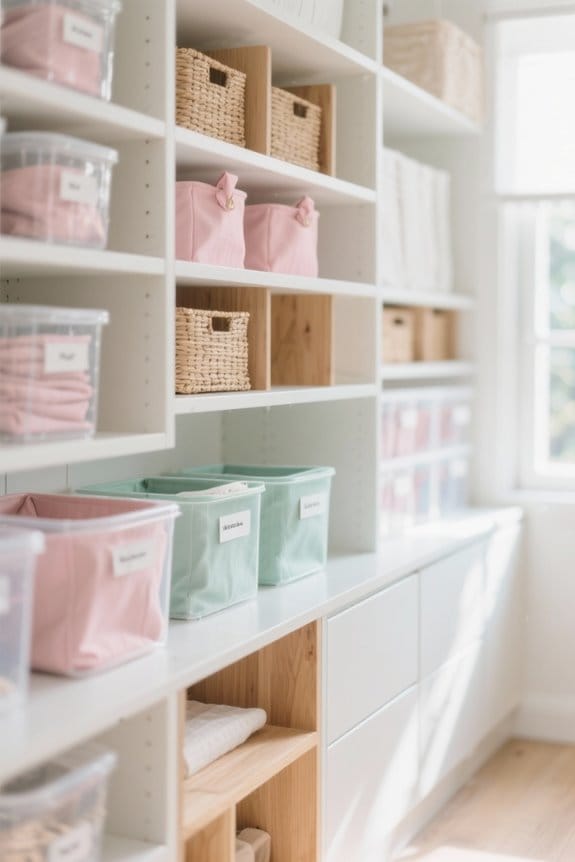
Why Consistency Beats Perfection in Home Organization

Consistency in home organization shines brighter than perfection. It clears mental clutter and boosts focus, making homes soothing spaces. Instead of stressing over flawless results, small incremental changes—like a quick ten-minute tidy-up—can refresh your mind. Tracking these efforts promotes habit formation, which takes about two months. Plus, celebrating victories—no matter how tiny—feels great! So, forget chasing perfection; embrace progress instead. There’s a treasure trove of tips ahead to help you organize with joy!
Key Takeaways
- Consistency in organization fosters cognitive clarity, making it easier to maintain focus and reduce anxiety in your living space.
- Striving for perfection often leads to stress and procrastination; consistency allows for progress and diminishes emotional burdens.
- Building habits through regular organizational tasks creates automatic behaviors, promoting a calm environment without the pressure of perfection.
- Celebrating small wins in home organization enhances motivation, reinforcing the habit of maintaining order over seeking flawless results.
- Consistently tidy spaces improve mood and lower stress, highlighting the benefits of regular upkeep rather than striving for an unattainable ideal.
The Psychological Advantage of Consistent Organization
Consistency in home organization brings immense psychological benefits that can transform daily life. A tidy home isn’t just pretty—it’s a mental sanctuary! When spaces are organized, cognitive clarity improves. You can think better and focus more sharply, no more hunting for that elusive sock. Just imagine—everything has its place!
Regularly organizing also builds emotional resilience. It’s like giving anxiety the boot! A neat environment lowers stress levels, which is a win for everyone. Plus, the sense of accomplishment from keeping things in order feels great.
Here’s a quick tip: Dedicate 10 minutes daily to sort one area. Simple, right? This routine will become second nature, giving your mind and spirit the refresh they truly crave. Using tools like drawer organizers with transparent visibility allows for quick item retrieval, reducing search time and the stress that comes with it.
Recommended Products

【Heavy-Duty Construction】Built with SPCC 2.0mm cold-rolled steel square tubes, pickling and phosphating treated for waterproof and scratch resistance. ABS tool holders provide cushioning to reduce handle impact. Engineered for heavy loads and frequent use. Model: CAT40/BT40-120CAP | Size: 33.4"L x 21.6"W x 72"H | Weight capacity: 1200kg (holds 120 CAT40 tools).

Product Dimensions: Each unit measures 15 1/4" D x 21 7/8" W x 24" H with bottom drawer interior space of 19 1/8" x 13 1/4" x 7" to store larger items like towels, clothing, and household supplies

【Modern Mixed-Material Design】Combines black wood finish with sleek tempered glass legs for a striking contemporary look. Edges and corners are polished smooth to prevent cuts and scrapes.
Overcoming Perfectionism to Boost Productivity and Happiness
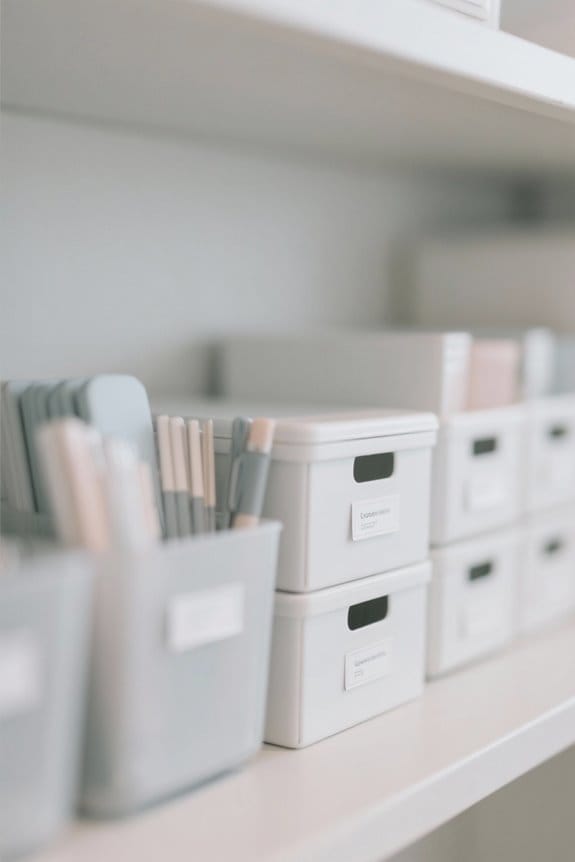
While pursuing perfection might seem like a noble goal, it often leads to more stress than success. A shift in mindset, focusing on progress rather than flawless outcomes, can do wonders. When perfectionism takes over, it feels like juggling flaming torches—inefficient and a bit terrifying! Instead, consider these tips for embracing self-compassion:
- Recognize that 92% of us feel this pressure.
- Prioritize tasks with the 80/20 rule—80% of results from 20% of efforts.
- Celebrate small wins—like organizing one drawer at a time.
Taking these steps can boost productivity and happiness. Apply this same philosophy to everyday spaces in your home—for instance, creating an organized coffee station doesn’t require a complete kitchen overhaul, just thoughtful placement of your essentials. Remember, it’s perfectly okay to be imperfect! Shifting from perfectionism lets individuals enjoy their journey, making life, and perhaps their homes, a bit more joyful.
Recommended Products

HOME BAR FURNITURE - The Ridgeline redefines bar cabinets for home spaces. A removable stainless-steel ice bin, open and closed bar cabinets, a stemware rack, and a spacious liquor bar surface make it perfect as a wine bar or coffee station cabinet.

🥤【Uniquely Designed Commercial Bar Cooler】 This glass door commercial refrigerator has 2 independently controlled LED light controls that illuminate every corner of the commercial beverage refrigerator's interior, making items stand out. You can change the Logo sign to whatever you want for the beverage cooler. Just remove two Phillips screws on the side, and the sign slides right out. You can take it to store, company, man cave or sign shop and customize it however you like logos, graffiti, fonts, or even business branding.

TIMELESS KITCHEN: The Hazel Kitchen is the perfect option to renew your space; with its European design and wide storage cabinets, your ambiance will reach another level of sophistication and functionality
The Importance of Habit Formation in Achieving Consistency
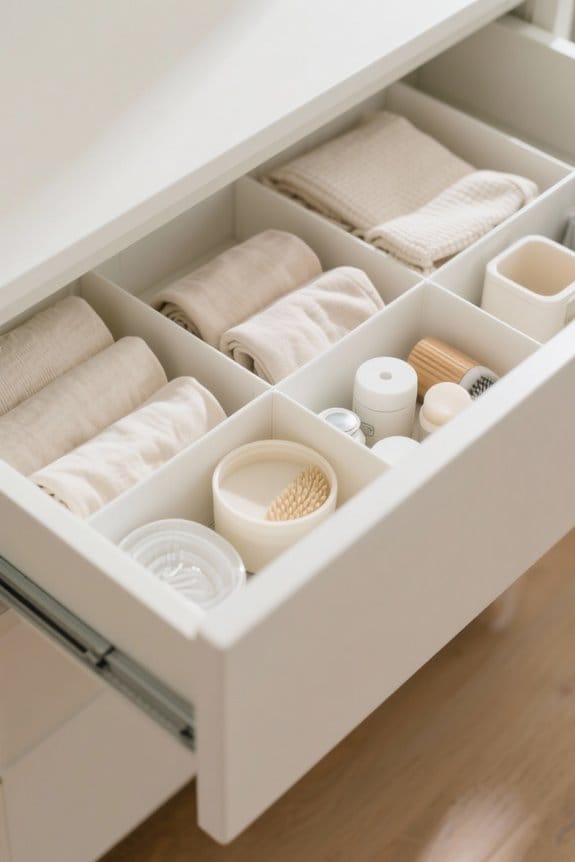
Building habits can be a game-changer for maintaining organization at home. When forming habits, timing matters; it typically takes about 2 months to link actions to behavioral triggers. So, be patient! Habit tracking can help, too. This simple method encourages folks to monitor their progress—think tick sheets or checklists. The key is consistency. Little by little, behaviors become automatic, like finding your car keys without looking.
Here’s a quick breakdown to help you:
- Identify specific organizational tasks.
- Repeat them in the same context to strengthen habits.
- Use habit tracking to celebrate small wins.
Over time, you’ll reduce clutter, save time (30-60 minutes daily!), and embrace a calmer, organized space. Consider investing in stackable organizers that maximize vertical space, making it easier to maintain your newly organized pantry through consistent daily habits. Who knew organization could be this achievable?
Recommended Products

Bring it to You: Bring hard-to-reach items to you with this convenient gas-assisted 2-tier cabinet pull-down locking shelving system that is capable of pulling down 11.5-inches and pulling 16.75 inches out of your cabinets.
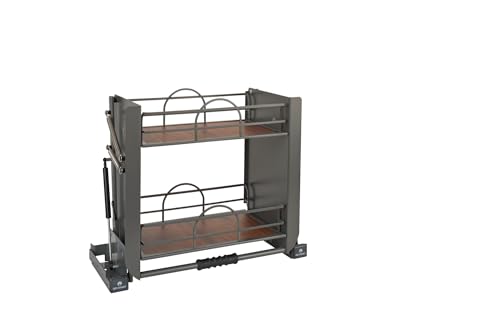
Convenient Pull Down Shelf Organizer: Bring hard-to-reach items to you with this convenient 2-tier cabinet pull down shelving system; Great for taller cabinets; use more than 1 in a cabinet for additional storage

COMPLETE 26-PIECE SET: Includes 10 glass containers with lids, 2 stainless steel scoops, 2 ¼ measuring cups, 2 modular storage bases, and 2 magnetic organizers, creating an all-in-one food storage system for a streamlined, clutter-free pantry.
Understanding the Emotional Burden of Perfectionism
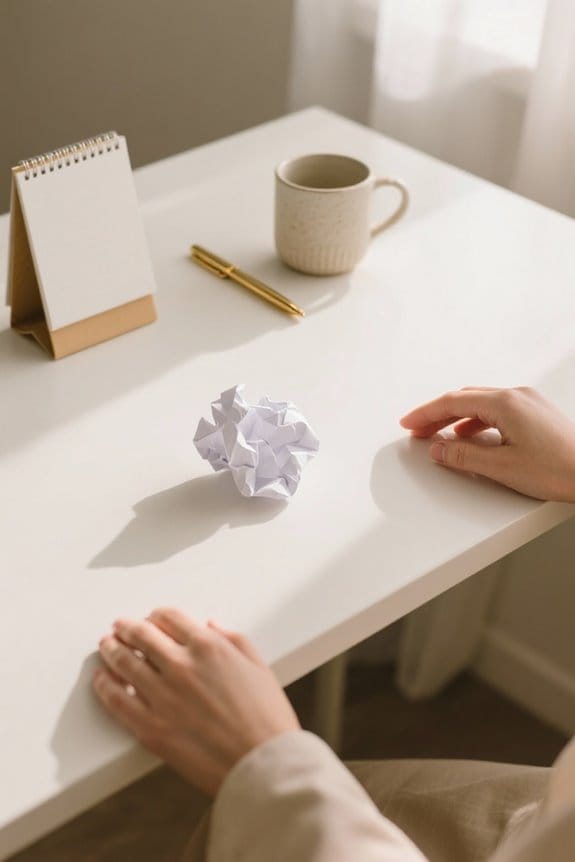
Many people focus on establishing good habits to maintain an organized home. However, perfectionism often sneaks in like an uninvited guest. It causes emotional weight—pushing individuals to feel inadequate, anxious, and even paralyzed by fear of making mistakes.
Perfectionists may think, “If it’s not perfect, why bother?” This leads to procrastination and dread—yikes! Emotional resilience can help combat these feelings. Practicing self-compassion is key. Here are a few tips:
- Accept imperfections—they’re part of life!
- Focus on progress rather than perfection.
- Celebrate small victories—every little bit counts!
Starting with simple adjustable dividers in your pantry can help you embrace imperfect organization while still reducing clutter effectively.
Recommended Products

With superior versatility and the ability to blend perfectly into your existing cabinetry, these dual zone drawers are ready to chill at freezer, fridge or pantry temps. Add 3-Color LED lighting and adjustable in-drawer organizers, and these Full-Extension, Soft-Close Drawers are an organized kitchen’s dream sidekick. Drawer handles sold separately; wood panels are customer-provided for a personalized finish. PRRFD24C2AP
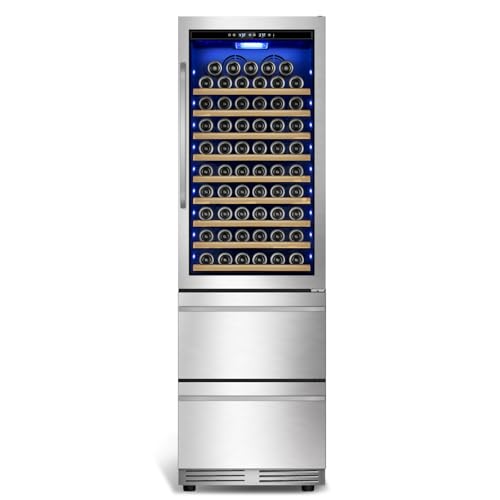
FAST & QUIET COMPRESSOR COOLING: Equipped with an upgraded high-efficiency compressor, this wine and beverage cooler delivers fast, stable cooling with constant temperature and humidity. Noise less than 35dB, Quiet vibration-free operation helps protect wine aromas and enhance flavour development. Front-venting design allows both built-in and freestanding.
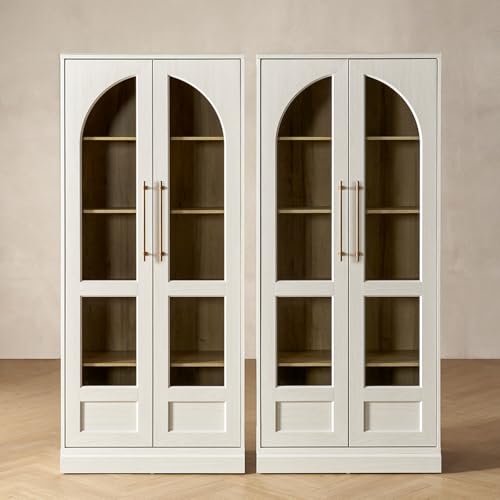
Dimensions: Overall: 31.5 (W) x 16 (D) x 72 (H) inches; 1-year warranty
Practical Strategies for Enhancing Consistency in Home Organization
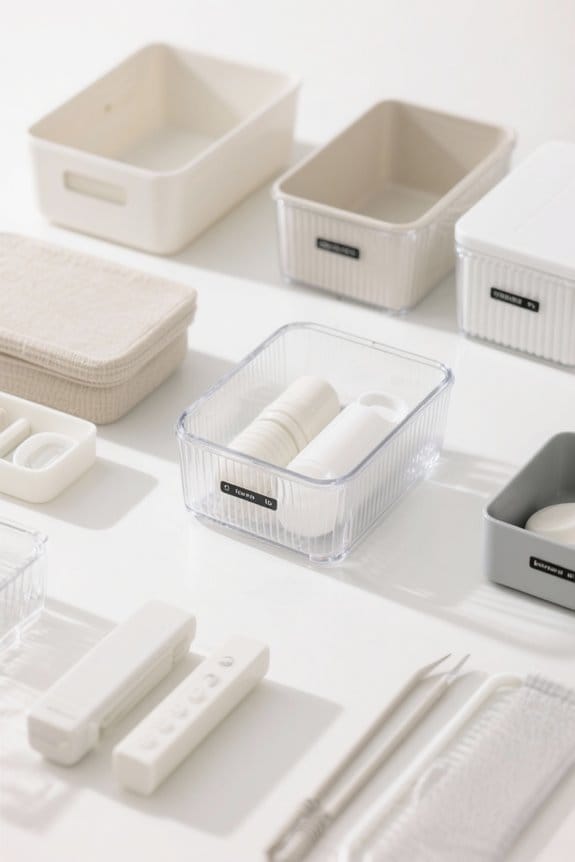
Achieving consistency in home organization doesn’t have to feel like wrestling a bear—or a mountain of mismatched socks! To enhance your organization game, consider micro habit implementation. Simple practices like making your bed daily—60% of people do this—can boost productivity. Also, a quick nightly tidy-up—just five minutes—prevents clutter from gaining ground.
Here are some practical tips:
- Schedule regular decluttering sessions to tackle that overwhelming mess.
- Use visible storage solutions—think labeled bins—to keep everything accessible.
- Make laundry a routine—1–3 times a week works wonders!
- Embrace digital tools for reminders and tracking.
Investing in adjustable dividers for your storage containers allows you to customize compartments for various item sizes, making it easier to maintain organization long-term.
These strategies not only contribute to clutter reduction but also make home organization feel less like a chore—more like a win!
Recommended Products

SPECS - (126) Heavy Duty Adjustable Cargo Bars | Pole Diameter: 1" | Length: 40" | Extended Length: 70" | Material: Alloy Steel | (2) Rubber Feet 2-3/8" x 3" | 360-Degree Pivot of Rubber Feet | Weight: 4.1 lbs. each

Panel Ready: Customize the exterior panel to seamlessly integrate with your cabinetry, achieving a sleek, built-in look that enhances your kitchen's aesthetic appeal (Panel not included).

QUALITY MATERIAL CONSTRUCTION: Composed of a lightweight ABS plastic body and aluminum alloy frame with safety bumpers, this medical cart with wheels is designed to maneuver easily around corners without tipping and locks securely in place during use.
Building Trust and Commitment Through Consistent Practices
Consistency in home organization doesn’t just make spaces tidy; it can transform relationships, too! By establishing predictable routines, families can enhance trust dynamics and strengthen connections. When everyone knows what to expect—like who takes out the trash every Tuesday—reliability builds.
Consider these simple practices:
- Set clear goals for chores or organization efforts.
- Communicate openly about expectations and timelines.
- Encourage team involvement, even for kids!
When family members see consistent action, accountability blooms. It’s the secret sauce for commitment cultivation, fostering collaboration and reducing stress. Investing in organizational tools like caddies can make maintaining these routines even easier by keeping cleaning supplies accessible and reducing clutter. So, next time chaos creeps in, remember—small, consistent efforts lead the way to a harmonious home. You might even find the motivation to tackle those dusty shelves, too!
Celebrating Progress: The Benefits of Small Wins in Organization
Celebrating progress in home organization brings a wonderful sense of achievement. Every small win counts, like finally clearing that junk drawer—yes, the one filled with old batteries and expired coupons! Recognizing achievements, no matter how tiny, boosts mood and motivation.
Here are some simple ways to celebrate milestones:
- Reward yourself with a favorite snack.
- Share successes with friends—they will cheer you on!
- Take a moment to enjoy your newly organized space.
These acts make home organization feel less like a chore and more like a journey. Plus, they help reduce stress and improve focus. Using adjustable drawer dividers can help maintain that organized space by adapting to your changing storage needs. Embrace those small wins—they lay the groundwork for lasting habits and a tidier home. Celebrate each step; you deserve it!
Frequently Asked Questions
How Do I Start Organizing When Everything Feels Overwhelming?
To start organizing in overwhelming situations, one should take initial steps like identifying decluttering strategies. Focusing on small areas and setting achievable goals can make the process more manageable and less intimidating over time.
What if I Have Different Organizational Styles in My Home?
Mixed styles in a home can lead to conflicts, but fostering open communication and designating storage areas promotes home harmony. Emphasizing individual preferences while accommodating shared spaces can create a more balanced and organized environment.
Can Children Contribute to Home Organization Efforts?
Children can greatly contribute to home organization efforts, balancing child involvement with parental oversight. By fostering effective organizational habits through age-appropriate tasks, families enhance teamwork while nurturing essential life skills in young members.
How Often Should I Reassess My Organizational Systems?
Reassessment timing considerations depend on individual circumstances. Regular system evaluations should occur every few months for fast accumulators, while slower rates may only require annual reviews, ensuring organization remains efficient and effective for changing needs.
What Tools Can Help Maintain Consistency in Organization?
Organization apps and effective storage solutions play essential roles in maintaining consistency. Task managers streamline daily chores, while clear bins and labeling enhance accessibility, ultimately promoting a systematic approach to home organization and reducing clutter efficiently.


