As an Amazon Associate, we earn from qualifying purchases. Some links on this site are affiliate links at no extra cost to you. Our recommendations are based on thorough research and editorial judgment.

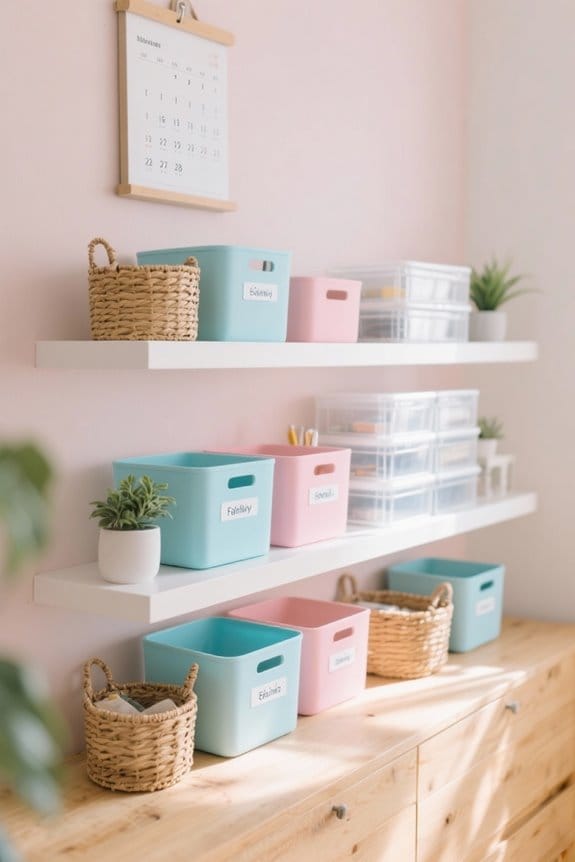
How to Involve Your Family in Daily Organization Routines

Involving your family in daily organization routines makes life smoother—trust me, chaos is no fun! Start with a shared family calendar for everyone to access. Regular family meetings can set goals together—like aiming for healthier meals or homework time. Assign age-appropriate roles to keep things interesting. Use chore charts for fun tracking, and don’t forget flexibility! When things change, communicate openly. With these tips, you’ll find a balance, and there’s way more to explore!
Key Takeaways
- Create a centralized family calendar to keep everyone informed and organized regarding events and responsibilities.
- Assign age-appropriate roles and tasks based on each family member’s strengths and interests.
- Establish shared goals to foster a sense of unity and purpose among family members.
- Utilize chore charts to visually track tasks, making organization engaging and fun for everyone.
- Maintain open communication to adapt routines and schedules as needed, ensuring family support during changes.
The Importance of Family Involvement in Routines
Family involvement in routines is often essential for creating a nurturing environment. When families engage in consistent habits, everyone benefits! Routine benefits include emotional bonding and stress reduction. Predictable schedules make kids feel secure and boost their academic focus. Imagine this: nightly family dinners or regular game nights can strengthen communication skills and deepen connections.
Benefits of having family routines include:
- Improved emotional well-being.
- Less childhood anxiety and better focus in school.
- Stronger relationships overall.
Plus, kids are less likely to develop attention issues as adults. It’s a win-win situation! So, why not try a simple routine like bedtime stories or morning check-ins? Creating organized spaces with stackable storage solutions can help the whole family maintain these routines by keeping shared areas tidy and accessible. Your family’s happiness and stability are worth the effort—plus, everyone loves a cozy, predictable evening!
Setting Goals Together
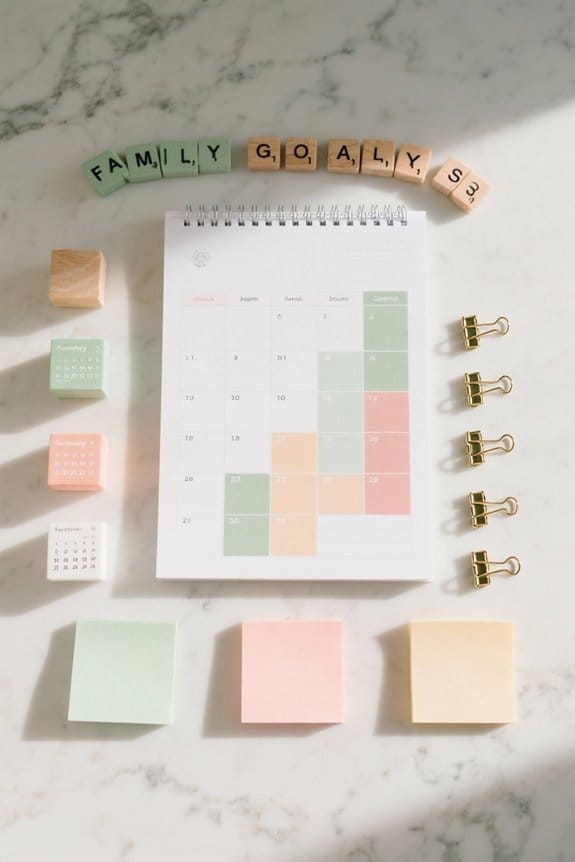
Setting goals together can transform a family’s dynamics and create a shared sense of purpose. When families unite for a common goal, they establish a family vision—a guiding star for their journey. They often focus on areas like health, education, and personal growth, which keeps everyone engaged and motivated.
Together, family members can celebrate achievements, track progress, and offer support. This mutual accountability fosters resilience. Think of it like this:
- Celebrate small wins
- Track goals on a fun chart
- Encourage everyone, even the dog if he’s interested!
With shared commitment, it’s like having a built-in cheer squad. Plus, it teaches kids the value of working together. Just as organizing physical spaces with cable management solutions can reduce clutter and improve functionality, implementing organizational routines helps families maintain focus on their shared objectives. So gather around, set some goals, and watch your family thrive!
Assigning Roles and Responsibilities
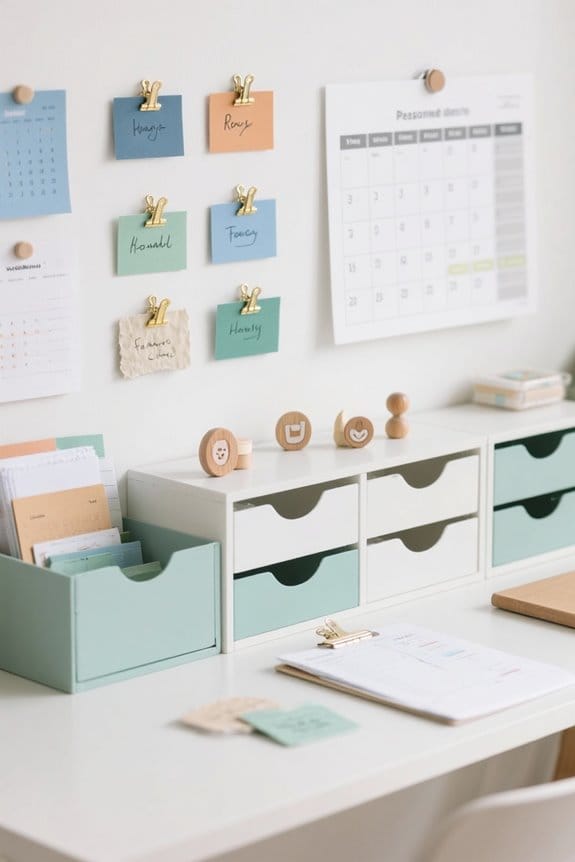
Creating a family vision is just the beginning of a productive household. Assigning roles and responsibilities allows everyone to shine—like a well-rehearsed dance! With role clarity, each family member knows their part, from parents guiding and nurturing to kids tidying up their toys.
Here’s how to get started:
- Identify strengths and interests—Johnny loves cooking; Sarah is amazing at organizing.
- Assign age-appropriate tasks—little ones can sort laundry, while teens tackle more complex chores.
- Use chore charts for clarity—color-coded tasks can be a fun way to visually keep track!
Responsibility sharing fosters teamwork, and everyone feels valued. Regularly review roles, especially if life changes strike. Consider adding simple organizational tools like wall-mounted hooks in each person’s designated area to help them maintain their assigned spaces independently. Embrace flexibility; after all, we’re all in this together—literally!
Recommended Products

Digital Display – Centralized touchscreen that simplifies organization for busy families. Create unique profiles for everyone in your home, utilize kid-friendly icons, create routines and streaks to gamify tasks and build consistent habits.

Digital Family Calendar: BSIMB digital calendar wall touch screen puts an end to your chaotic life. Designed for busy families, the digital calendar keeps you organised and in step with your family. Assign different colours and tasks to each family member to make family scheduling easier and more intuitive.

Creating a Schedule That Works for Everyone

How can a chaotic schedule lead to family frustration? It’s a daily juggling act, after all. Managing various activities, school, and work can feel overwhelming. To tackle this, creating a centralized family calendar is key. Using calendar tools that everyone can access helps everyone stay informed about family events. Here are some tips to make it work:
- Shared Access: Allow everyone to view and add events.
- Import Functionality: Pull in existing schedules effortlessly.
- Keep it Simple: Avoid overwhelming details—less is more!
- Digital Tools: Use apps for tasks and meal planning.
With predictable routines and family involvement, everyone will feel more connected and less stressed. Consider using transparent organizers in shared spaces like the pantry to help family members quickly locate items and maintain the organized systems you’ve established together. Happy scheduling!
Maintaining Flexibility During Changes
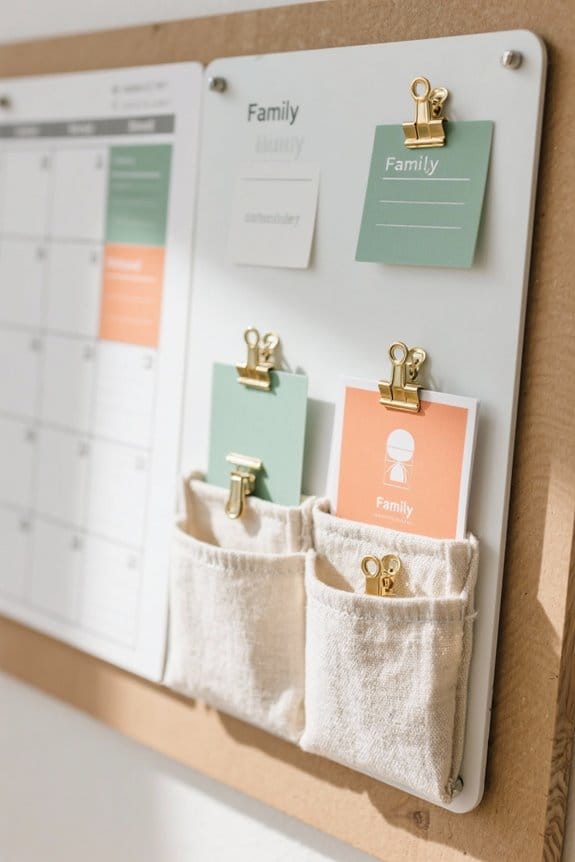
While unexpected changes can throw a family into disarray, flexibility is the secret ingredient that can keep everyone afloat. Embracing schedule adaptability helps families navigate shifts with ease. Here’s how to stay afloat during turbulent times:
- Communicate openly: Share feelings about changes—everyone appreciates a heartfelt chat.
- Reassess routines regularly: Adjust mealtimes, bedtimes, or weekend plans as needed.
- Incorporate family bonding: Turn mundane tasks into fun activities, like cooking together—yes, even if you burn the toast.
- Emphasize stability: Stick to a few constant routines, like family movie nights, to provide comfort amid chaos.
- Organize shared spaces: Use adjustable drawer dividers to create designated spots for each family member’s items, making it easier to maintain order even when schedules shift.
Holding Regular Family Meetings
Regular family meetings can work wonders for communication. These gatherings are crucial for setting clear family meeting objectives, making sure everyone stays focused. Scheduling them regularly—like monthly or quarterly—helps everyone to plan around them without the last-minute scrambles. Incorporate discussion facilitation techniques, such as rotating meeting leaders or using a neutral party to keep things balanced and calm. Create a structured agenda that covers important topics, like finances or upcoming events.
Encouraging all voices matters; it builds teamwork and responsibility. Remember, a little humor can lighten heavy discussions! By engaging open dialogue, families deepen bonds, support each other, and reduce misunderstandings. Plus, who doesn’t love an excuse to gather and snack together? Just as multi-tier designs maximize vertical storage in kitchens, structuring your family meetings with different agenda levels can help organize various household topics efficiently.
Frequently Asked Questions
How Can I Encourage Reluctant Family Members to Participate in Routines?
To inspire reluctant family members, employing motivation techniques and consistent positive reinforcement serves as the gentle breeze nudging the sails. Gradual involvement, respectful dialogue, and recognizing achievements fosters an environment where participation flourishes naturally and willingly.
What Tools Can Help Track Family Routines Efficiently?
Digital planners like Cozi and routine apps such as Habitica and PlanWiz provide structured ways to track family routines, fostering organization through customizable templates, reminders, and gamification, helping families efficiently manage their daily activities together.
How Often Should We Review Our Family Routines?
Family routines should be reviewed during weekly check-ins and more thoroughly during seasonal evaluations. These assessments help adapt routines to meet evolving family needs and guarantee everyone remains engaged and supported in their daily activities.
What if Family Members Disagree on Routine Changes?
When family members vehemently disagree on routine changes, employing communication strategies and compromise techniques transforms chaos into harmony. Thriving conversations and flexible negotiations can turn tumultuous debates into cooperative resolutions, ensuring everyone’s voice is heard and valued.
Are There Specific Age-Appropriate Tasks for Children in Routines?
Age-appropriate chores include tasks like toy pickup for toddlers, laundry management for ages 5-7, cooking simple meals for 10-12 years, and independent laundry for teens, emphasizing proper task delegation according to developmental stages for effective learning.


