As an Amazon Associate, we earn from qualifying purchases. Some links on this site are affiliate links at no extra cost to you. Our recommendations are based on thorough research and editorial judgment.


The Complete Guide to Labeling Your Storage Bins Effectively

Effective labeling of storage bins can really change the game—seriously! It boosts efficiency and cuts down on errors. Start by picking the right labels: consider materials for durability and visibility, like polyester for tough spots. Place your labels where everyone can see them—eye level works best. Also, take advantage of tech, like barcodes, for quick tracking. Regular checks guarantee everything stays tidy. Keep going, and you’ll discover even more tips for making your storage system shine!
Key Takeaways
- Use high-contrast labels positioned at eye level on storage bins for optimal visibility and accessibility.
- Select durable labeling materials, such as polyester or vinyl, for varying environmental conditions.
- Organize labels by prioritizing high-demand items and maintaining consistent placement to minimize retrieval errors.
- Integrate advanced technologies like QR codes and barcodes for efficient inventory management and real-time tracking.
- Implement a standardized labeling format with color-coding to simplify identification and ensure compatibility with different bin sizes.
Benefits of Effective Labeling
When it comes to effective labeling, the benefits are truly impressive—almost like finding a cookie you forgot you baked! Labeling provides great efficiency in storage, making tasks smoother and quicker. Workers can find items fast, cutting down on wasted time—like looking for that cookie in an empty jar.
Here are some key labeling benefits:
- Quick item retrieval means less downtime.
- Accurate labels minimize errors and lost items.
- Well-organized spaces transform chaos into clarity—who doesn’t love that?
- Safety labeling keeps everyone informed and compliant, preventing mishaps.
And let’s not forget, clear labels mean fewer mistakes, saving both time and money. With proper labels, storage areas become a breeze to navigate—no more cookie crumbs to follow! Just as clear plastic organizers enhance visibility in kitchen drawers, transparent labeling systems allow you to locate stored items at a glance without opening containers.
Choosing the Right Labels

Choosing the right labels can feel a little overwhelming—like trying to decide which cookie recipe to bake first! The options are vast, but understanding label material and design can simplify the process.
- Paper labels are budget-friendly, perfect for indoor use.
- Polyester labels shine in harsh conditions, resisting chemicals and moisture.
- Vinyl labels hold strong outdoors with their weatherproof adhesive.
- Laminated labels offer durability by protecting text.
For clear storage bins, transparent labels work exceptionally well since they maintain visibility while helping you quickly locate items at a glance.
Recommended Products

BLANK POLYESTER STICKER PAPER - printable, white synthetic film for durable prints - for laser printers, not for use with inkjet printers
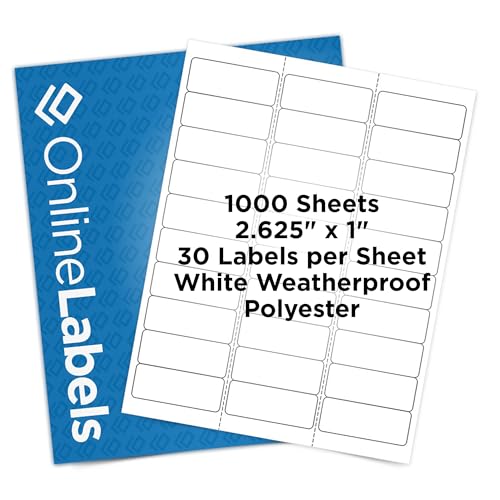
BLANK 2.625" x 1" WATERPROOF ADDRESS LABELS - custom, printable family or business mailing labels - 30 labels per sheet - compatible with laser printers only

BLANK POLYESTER FULL SHEET LABELS - white adhesive paper - semi-gloss - permanent - waterproof - 8.5" x 11" - full sheet with backslit for peeling - 1 label per sheet - compatible with laser printers only
Best Practices for Label Placement

Maximizing label placement can greatly enhance the organization and efficiency of any storage area. When it comes to label visibility, position labels on the front of bins and at eye level whenever possible. This simple tweak speeds up scanning and reduces strain—trust us, nobody enjoys squinting!
- Use vertical systems for stacked racks to maintain label accessibility.
- Keep labels away from edges where they can wear out or get obscured.
- Apply labels consistently for every bin to reduce scanning errors later on.
Don’t forget to evaluate your warehouse lighting; retroreflective labels shine in low-light areas. For maximum readability in any lighting condition, opt for labels with black text on white backgrounds that provide high contrast visibility. Finally, embrace straightforward numbering and avoid overcrowding bins with labels—less is more, right? Happy organizing!
Recommended Products

Size: 4" x 6",perforation between labels for easy to peel

COMPLETE KIT - This industrial label maker kit includes an AC Adapter, USB Cable, 1/2" Black on White Tape Cartridge, Bulk Supply Stand, Label Editor Software, and a quick start guide.

[SPECIFICATIONS] 4" x 6" (101.6mm x 152.4mm) - [250 Labels per Roll, 50 Rolls = 12500 Labels] - 1" Core Tube (25.4mm) - Perforated to Enhance Effortless Labeling Tasks - No Ink, Toner or Ribbons Required!
Advanced Labeling Technologies

Advanced labeling technologies have transformed how storage areas operate. With smart labeling innovations, companies can enhance their efficiency and accuracy. RFID tags allow for rapid, contactless scanning—goodbye to manual scanning errors! QR codes and barcodes integrate smoothly with handheld devices, streamlining the picking process.
For a modern twist, electronic shelf labels (ESLs) can show real-time inventory updates, saving the hassle of frequent label changes. Plus, NFC tags let smartphones access data—what a handy feature!
Don’t forget the durability of advanced materials. With waterproof polyester or tough composite labels, labels can withstand harsh warehouse conditions. Similar to how rust-resistant materials prevent deterioration in humid bathroom environments, durable labeling materials ensure longevity in challenging storage conditions. By using serialized labels, businesses can track individual bins effortlessly, making inventory management less stressful and more fun. Who knew labeling could be this exciting?
Recommended Products

High-Speed Industrial Label Printing – Built for Demanding Workloads: GoDEX industrial printers deliver nonstop performance, printing labels up to 7 ips without compromising clarity—ideal for manufacturing, logistics, and high-volume environments.

Easy usage: Connects via wired USB cable, serial connection, or ethernet and is compatible with thermal transfer rolls with a 3 inch core and 8 inches in diameter. Simple to install, operate, manage and secure, they are available in multiple models to support nearly every use case, including healthcare and RFID

Storage and Maintenance of Labels

When it comes to storing and maintaining labels, keeping them in tip-top shape is key—especially if one wants to avoid that dreaded label smudge! To guarantee a long label lifespan, store them at a stable temperature, ideally between 68°F to 75°F.
Humidity matters too! Keep it between 40% and 50% to prevent any moisture damage. It’s also wise to keep labels away from direct sunlight—because nobody likes faded labels, right? Regularly inspect your labels every 3 to 6 months, looking for signs of wear and label degradation. If you see curling edges or discoloration, don’t hesitate to replace them!
Just as removable liners in laundry hampers should be cleaned regularly for hygiene, maintaining clean storage conditions for your labels ensures their longevity and readability. Lastly, remember to handle them with clean hands and store them securely. Happy labeling!
Training Your Staff on Label Usage
Storing labels properly is just the beginning—training staff on how to use them effectively is where the real magic happens. Think of it this way: better training means fewer errors and more accurate inventory. Not to mention, engaged staff will locate items quickly and efficiently.
Key components to focus on include:
- Explaining the labeling system structure—like alphanumeric codes, and color codes.
- Demonstrating correct label placement for better visibility.
- Teaching how to use barcode scanners.
Using hands-on workshops and visual aids can make training fun! Regular refresher sessions are like a revitalizing change. Plus, encouraging feedback from the team can spotlight areas for improvement. Just remember, the more they know, the easier the job becomes—trust us! Similar to how wall-mounted storage systems require clear instructions and user-friendly installation processes, your labeling system should be accompanied by straightforward training materials that minimize confusion and maximize efficiency.
Enhancing Efficiency With Labeling Systems
Labeling systems can truly transform the way a warehouse operates, making it feel like a well-choreographed dance. With effective labeling strategies, workers can quickly locate items, slashing search times considerably. Imagine reducing that frantic search—that’s less time and happier staff!
A solid labeling approach offers clear visual organization, reducing picking errors and streamlining operations. Here’s how to enhance efficiency:
- Use consistent formats for all labels.
- Prioritize labels on high-demand items.
- Incorporate tech like barcodes for speedy tracking.
And, let’s be honest—labels should be durable. They need to survive spills, slips, and every warehouse mishap imaginable. Investing in smart labeling can turn chaos into clarity—because who doesn’t prefer organized bins to a game of hide and seek? For on-the-go labeling tasks, consider using a compact portable label maker that can print at speeds up to 45 pages per minute.
Recommended Products
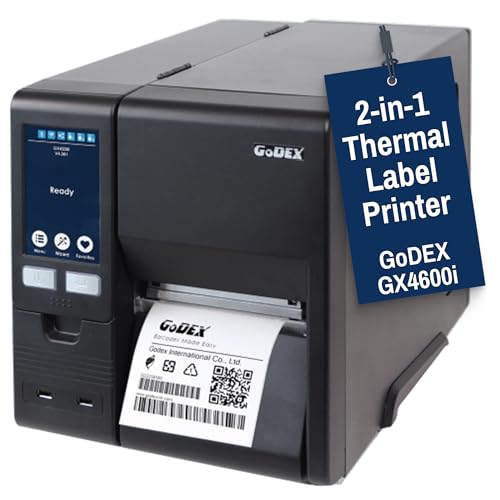
High-Speed Industrial Label Printing – Built for Demanding Workloads: GoDEX industrial printers deliver nonstop performance, printing labels up to 7 ips without compromising clarity—ideal for manufacturing, logistics, and high-volume environments.

Heavy-Duty Metal Industrial Construction

Creates durable, crisp, clear legends and graphics that offer superior legibility
Maintaining Consistency in Labeling
A consistent labeling system can make all the difference in a warehouse setting. When everyone follows clear labeling standards, chaos turns into order! Here’s how to keep that essential labeling consistency:
- Use the same format for all labels. Trust me, no one wants to hunt for a misplaced label!
- Keep location codes brief. Complexity just invites errors—a recipe for disaster.
- Position labels in the same spot. If labels play hide-and-seek, frustration will ensue!
- Choose durable materials that withstand handling. Old, peeling labels are just embarrassing—like wearing socks with holes!
Just as with organizing reading materials, prioritize size compatibility when selecting storage bins to ensure your labels remain visible and your system stays functional across different container dimensions.
Improving Accuracy With Labels
Even though many people might overlook them, labels play an essential role in improving accuracy within warehouse environments. With clear, systematically placed labels, staff can quickly locate items—saving time and reducing headaches. When storage bins have barcodes, it supports efficient barcode verification. Imagine scanning an item, and voilà—no more unexpected “oops!” moments!
Here are some effective tips to improve accuracy with labels:
- Verify label readability with high-contrast fonts.
- Include barcodes to minimize manual entry errors.
- Conduct routine label audits, keeping everything accurate.
- Organize labels to highlight high-demand items, reducing travel time.
- Consider using handheld label makers with thermal printing technology for quick, professional-quality labels that are waterproof and resistant to wear.
Ensuring Durability in Different Environments
While searching for the perfect storage bin, one might stumble upon a frustrating truth—labels can wear out fast! To guarantee a longer label lifespan, consider material selection carefully. Polyester labels are champions in harsh environments like factories. Vinyl labels thrive in humid spaces, like garages, with no residue left behind when removed.
For less demanding conditions, paper labels are tempting but easily damaged by moisture. Yikes!
Here’s a quick tip:
- Use waterproof labels for damp areas.
- Apply adhesive tape for extra protection.
- Choose UV-resistant materials for sunlight exposure.
Finally, test the adhesives to guarantee they stick firmly. It’s a simple step that protects your labeling investment! Just as rust-resistant materials prove essential for bathroom fixtures in humid environments, the right label materials can withstand challenging conditions and maintain their appearance over time. With the right materials, your labels can look great for a long time!
Strategies for Future-Proofing Your Labeling System
Labels are more than just tags; they are the key to organized living! To future-proof your labeling system, consider these smart strategies. Start by standardizing your labels across bins—consistency is your friend! Color-coding can make finding items a breeze. You might even discover a love for rainbow organization—fun, right?
Incorporate adaptive labeling solutions like digital labels that evolve with your needs. Think QR codes for instant access—no more endless searching for that one box.
Integration With Warehouse Management Systems
Successful integration with Warehouse Management Systems (WMS) can transform a chaotic storage environment into a well-oiled machine. This process has its integration challenges, particularly around system compatibility, but the benefits are immense.
Benefits include:
- Real-time inventory tracking: Scanning labels updates stock levels instantly.
- Error reduction: Automated checks minimize picking mistakes—take that, misplacements!
- Labor efficiency: Mobile devices streamline searches, reducing the time staff spend hunting—because who has the stamina for endless searching?
With properly matched labels and WMS data, the magic happens. Create unique codes, keep formats consistent, and watch your operations soar. Remember, clear labeling and seamless integration means less headache and more accuracy, leading to happier warehouses—applause for that!
Recommended Products

【Ultra-Sharp 300 DPI Precision | Micro-Labels & Small Fonts】 Ensure every barcode and label is crisp and scannable. Perfect for Lab, Healthcare, and Jewelry applications, including QR codes, small vials, and high-density inventory tags. Ideal for compliance and professional-grade labeling.

【Dual Mode Printing – Direct Thermal & Thermal Transfer】Supports both direct thermal and thermal transfer printing methods. Choose ribbon-free printing for daily tasks or ribbon-based printing for labels requiring greater durability and resistance to wear.
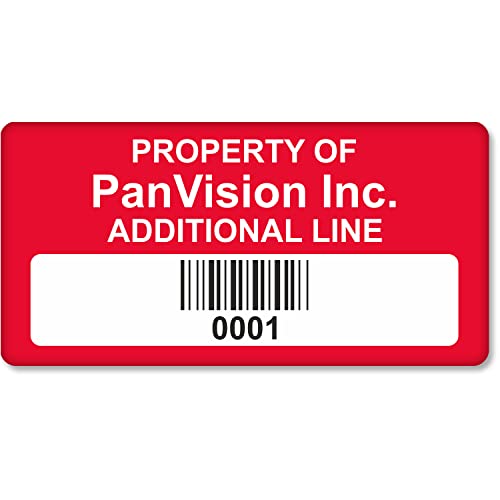
DURABLE. Labels are made from 2 mil thick aluminum foil. They are both durable and very affordable.
Regular Audits and Inspections for Labels
When it comes to maintaining a well-organized warehouse, regular audits and inspections for labels can feel like the chore no one wants to tackle. However, prioritizing label integrity is essential to prevent chaos. Regular checks can catch wear and dirt that cause scanning errors.
Here are some best practices:
- Use a checklist to verify label conditions—I swear it’s more fun than it sounds!
- Train staff to spot and fix label issues.
- Employ auditing technology, like barcode scanners, during inspections.
Schedule frequent audits for high-traffic areas, perhaps monthly or quarterly for less busy spots. Soon, those labels will shine brightly, and you’ll bask in the glory of an organized workspace—no more sneaky mislabeling mishaps ruining your day!
Frequently Asked Questions
What Are the Common Mistakes to Avoid in Labeling Storage Bins?
Common mistakes to avoid in labeling storage bins include labeling errors such as poor placement, unclear text, inadequate material choice, lack of systemization, and ineffective labeling practices. Consistency and durability are essential for efficient organization.
How Often Should Labels Be Replaced for Optimal Performance?
Labels should be replaced based on their lifespan and replacement frequency, typically every 3 to 6 months. Factors like environmental conditions and label quality greatly influence the durability and necessity for timely replacements.
Can I Use Homemade Labels Instead of Professional Ones?
Homemade labels can be used instead of professional ones, offering benefits of customization and flexibility. DIY label ideas enable quick adaptations, making them suitable for small-scale applications, while large projects may benefit from professional quality and durability.
What Symbols or Colors Are Best for Label Visibility?
To enhance label visibility, one should embrace a palette of vibrant color contrast alongside the virtue of symbol simplicity. Bold, high-contrast hues coupled with clear graphics create an inviting clarity for swift comprehension and effective identification.
How Do I Track Label Usage and Inventory Performance?
Label tracking can be efficiently managed through inventory management apps that utilize scanning technologies. Regular audits, integrated analytics, and consistent data updates guarantee accurate monitoring, while cloud features enhance accessibility and data security for effective performance oversight.